Why Does Water Pool in Your San Antonio Yard After Heavy Rain?
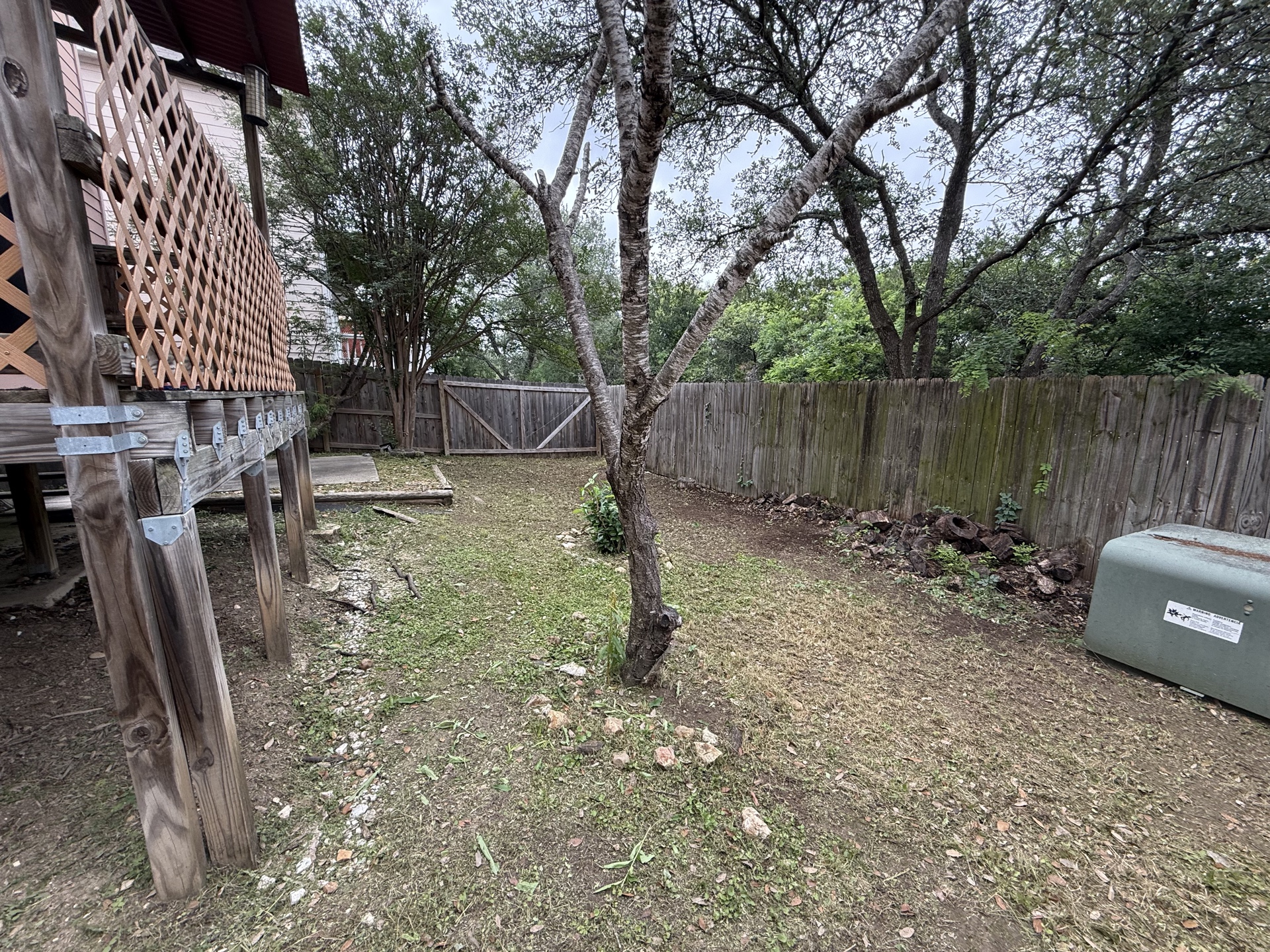
Understanding Standing Water in San Antonio Yards
Heavy downpours across South Texas can turn a peaceful lawn into a temporary lake almost overnight. When you step outside after a storm and notice stubborn puddles lingering on your turf or flower beds, it is more than just a minor aesthetic annoyance. Standing water can suffocate grass roots, drown landscape plants, and create ideal breeding grounds for mosquitoes during warm Hill Country summers.
To solve drainage problems effectively, homeowners first need to understand why water collects where it does. In San Antonio and the surrounding Bexar County region, unique geological and environmental factors heavily influence how rainwater moves—or fails to move—across residential properties.
The Role of Caliche Soil and Dense Subsurface Layers
One of the primary culprits behind yard pooling in South Texas is our native soil composition. Much of the San Antonio area sits on top of caliche, a hardened layer of calcium carbonate cement that binds gravel, sand, clay, and silt together. When dry, caliche can act almost like concrete, and even when moist, it severely restricts water percolation deep into the earth.
When torrential rains arrive, the topsoil layer quickly becomes saturated. Because the underlying caliche pan prevents moisture from draining downward efficiently, excess water has nowhere to go but sideways or upward, pooling in low spots across the yard. Lawns planted over compacted fill dirt or heavy clay pockets experience a similar effect, holding surface water long after the storm clouds have cleared.
Improper Grading and Yard Contour Issues
Beyond soil composition, surface grading plays a critical role in how water behaves after a rain event. Over time, settling earth, patio installations, fencing, and neighboring construction can alter the natural slope of a property. If your yard slopes toward your foundation or features saucer-like depressions in the middle of the lawn, runoff naturally accumulates in those zones.
Even minor dips in turfgrass can trap gallons of water. When water sits in these depressions for more than twenty-four to forty-eight hours, the grass begins to stress, turning yellow or dying out completely, which leaves bare patches vulnerable to invasive weeds.
Managing Irrigation Runoff and Local Regulations
Sometimes yard pooling is not solely caused by rain, but by overactive or poorly calibrated irrigation systems combining with natural precipitation. Homeowners managing automatic sprinkler systems must balance lawn hydration with local water conservation guidelines. When discussing irrigation installation, system adjustments, or watering schedules, property owners should always check current San Antonio Water System (SAWS) regulations and consult licensed professionals, as regional drought restrictions and plumbing codes are subject to change. Recover Landscape focuses on expert outdoor maintenance, yard cleanups, and surface drainage assessments rather than licensed underground plumbing or primary irrigation installation.
When to Seek Professional Yard Cleanup and Drainage Solutions
While minor puddles often dissipate as the sun bakes the soil, persistent standing water requires a structured approach. Addressing pooling water may involve breaking up surface compaction, re-grading localized low spots, clearing out blocked drainage pathways, or incorporating organic amendments to improve topsoil structure.
For homeowners looking to restore proper water flow and protect their outdoor investment, professional intervention is especially valuable when standing water threatens home foundations, kills large sections of turf, or persists for days after a storm.
If you are dealing with soggy turf, debris-clogged drainage routes, or unsightly washouts around your property, professional support can make all the difference. Learn more about how our team can help clear out debris, restore your outdoor space, and improve property health with our professional [Yard Cleanup](/services/yard-cleanup) services.
Frequently Asked Questions
Why does water pool in the same spot every time it rains?
Water naturally flows to the lowest point of elevation on your property. If a specific area has a depression, compacted subsoil, or an obstructed runoff path, water will continuously accumulate there during every rain event.
Can standing water ruin my lawn in San Antonio?
Yes. Grass roots require oxygen as well as water. When water stands on turfgrass for more than 48 hours, roots suffocate, leading to root rot, turf decline, and dead patches that invite weeds.
Does caliche soil make yard drainage worse?
Yes. Caliche is a dense, cement-like subsoil layer common in South Texas that restricts downward water percolation, causing rainwater to sit perched near the surface.
What is the best way to fix minor low spots in the yard?
Minor depressions can often be corrected by topdressing with a balanced soil mix or lifting and leveling the turf in affected areas to restore a smooth, sloping surface away from foundations.
Related Services
See Real Project Results
Explore documented before-and-after work from Recover Landscape projects in the San Antonio area.
Ready to Get Started?
Recover Landscape serves San Antonio and surrounding areas. Call or text Peyton directly for a free estimate.
Call 817-484-8835