When Should I Aerate a Lawn in San Antonio? Expert Timing Guide
Understanding San Antonio Soil and Lawn Compaction
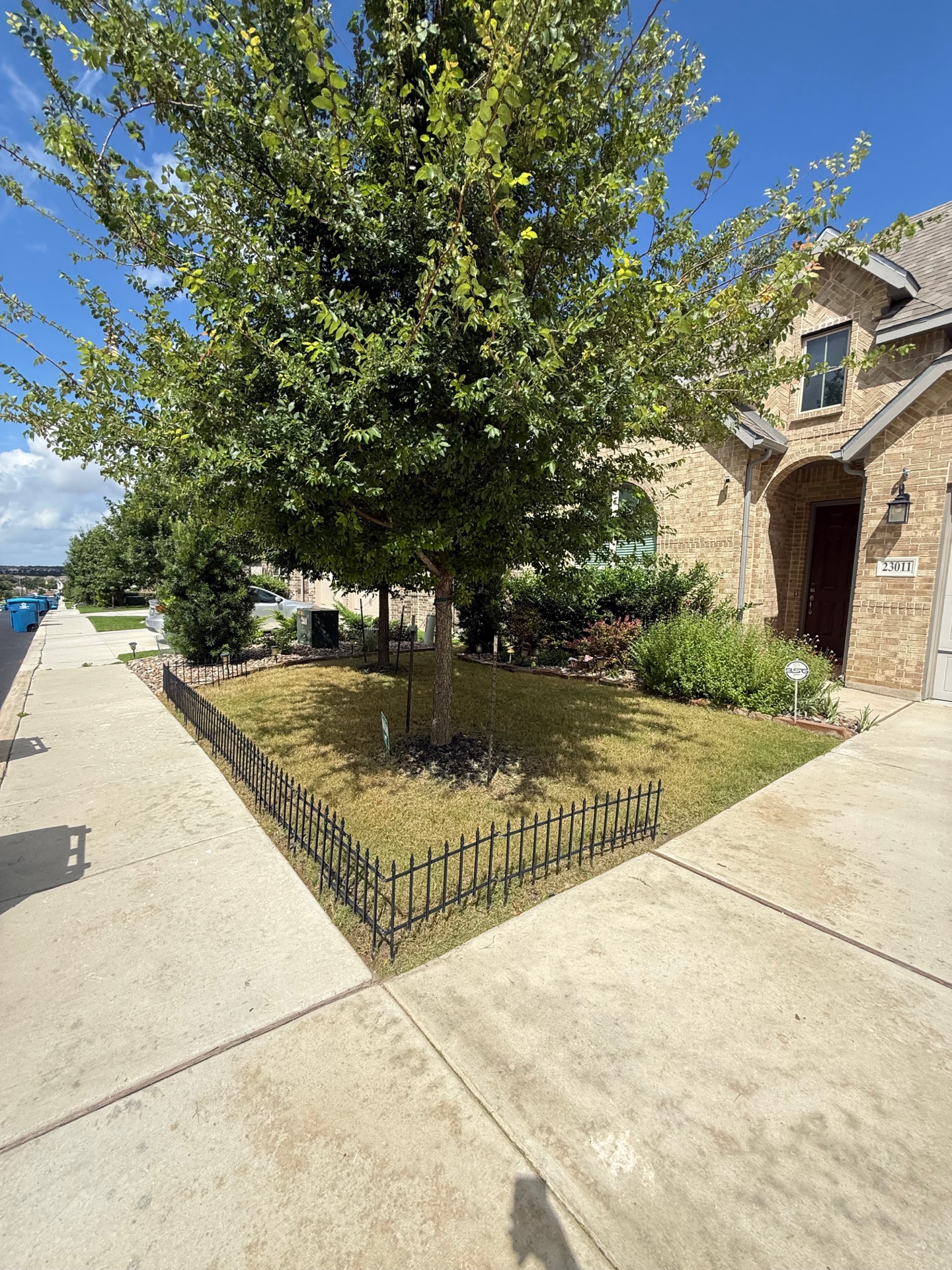
San Antonio lawns face unique environmental pressures that make soil compaction an ongoing challenge. Across Bexar County and the surrounding Texas Hill Country, native soils frequently feature heavy clay, dense limestone sublayers, and caliche deposits. When combined with intense summer foot traffic, mower weight, and cycles of scorching heat and sudden downpours, these soils compress tightly. Compacted soil restricts the movement of air, water, and essential nutrients deep into the root zone, suffocating turfgrasses like St. Augustine and Bermuda.
Core aeration is the mechanical process of pulling small plugs of soil from the ground to relieve this subsurface pressure. For local homeowners, knowing when to aerate is critical to maintaining a resilient, drought-resistant lawn. Because warm-season grasses dominate South Texas yards, timing your aeration around periods of active growth ensures the turf recovers quickly and fills in open core holes before weed pressure or extreme weather sets in.
The Ideal Window for Aerating Warm-Season Grasses
Unlike cool-season grasses in northern climates that thrive in autumn, San Antonio warm-season turfgrasses enter their primary growth phase during late spring and summer. Aerating while the grass is dormant or sluggishly growing invites weed seeds to germinate in the newly opened soil plugs.
For Bermuda grass, the ideal aeration window opens in mid-to-late spring, typically between April and June, once soil temperatures consistently climb above 65°F. Bermuda is an aggressive grower that recuperates rapidly from mechanical stress. St. Augustine grass, which is more sensitive to heat and drought stress, benefits most from aeration during late spring (May to June) or early fall when temperatures moderate but soil remains warm enough to support root regeneration.
Avoiding mid-summer scorch is essential. Aerating during peak July and August heat can expose delicate root systems to excessive evaporation, stressing the turf further when water resources are already constrained by seasonal conditions or municipal guidelines.
Spring vs. Fall Aeration: What Works Best in South Texas
Deciding between spring and fall aeration depends heavily on your lawn's specific grass variety and recovery capacity. Spring aeration capitalizes on the oncoming warm season, allowing St. Augustine and Bermuda grasses to leverage rising temperatures and longer daylight hours to heal rapidly. As the grass expands, stolons quickly bridge the small gaps left by the aerator tines.
Fall aeration serves as an effective alternative, particularly in September and October when nighttime temperatures drop and seasonal rainfall often increases across South Texas. Fall aeration relieves the compaction accumulated over heavy summer usage and prepares the root system for winter dormancy. However, homeowners must complete fall aeration early enough before the first cold snap so the grass has sufficient time to recover.
| Grass Type | Recommended Aeration Window | Primary Growth Phase | Recovery Speed |
|---|---|---|---|
| Bermuda Grass | April to June | Late Spring to Summer | Fast |
| St. Augustine | May to June or September | Late Spring & Early Fall | Moderate |
Preparing Your Lawn and Managing Post-Aeration Watering
Proper preparation ensures your aeration investment yields maximum results. Before aerating, ensure the soil has adequate moisture—either from recent rainfall or deep irrigation—so the aerator tines can penetrate dense caliche and clay without shearing. If your property relies on an automated irrigation system, remember to check current San Antonio Water System (SAWS) watering restrictions and consult licensed irrigation professionals for any required system adjustments or head repairs.
Following aeration, leave the extracted soil plugs on the lawn surface to break down naturally, returning beneficial microorganisms and organic matter to the soil. Consistent, early-morning watering encourages root expansion into the newly created channels. Partnering with professional lawn care teams can help streamline this process, especially when dealing with stubborn clay compaction across larger properties.
Frequently Asked Questions
How often should I aerate my San Antonio lawn?
Lawns with heavy clay or caliche soils typically benefit from annual aeration. Properties with sandy loam or minimal compaction can be aerated every two to three years.
Should I fertilize immediately after aerating?
Yes, applying a balanced, slow-release fertilizer shortly after aeration allows nutrients to penetrate directly to the root zone where they are most effective.
Can I aerate if my lawn has active weed problems?
It is generally best to address significant pre-existing weed infestations before aerating, as aeration can inadvertently bring dormant weed seeds to the surface.
Professional Lawn Care with Recover Landscape
Maintaining healthy turf in South Texas requires careful timing and consistent upkeep. At Recover Landscape, our owner-operated team provides reliable, professional lawn care solutions tailored to San Antonio properties. Whether you need assistance with seasonal aeration, turf management, or general property upkeep, we are here to help your outdoor spaces thrive. Explore our professional [Lawn Care](/services/lawn-care) services today to get started.
Related Services
See Real Project Results
Explore documented before-and-after work from Recover Landscape projects in the San Antonio area.
Ready to Get Started?
Recover Landscape serves San Antonio and surrounding areas. Call or text Peyton directly for a free estimate.
Call 817-484-8835