How Much Water Does New Sod Need in San Antonio? A Homeowner's Guide
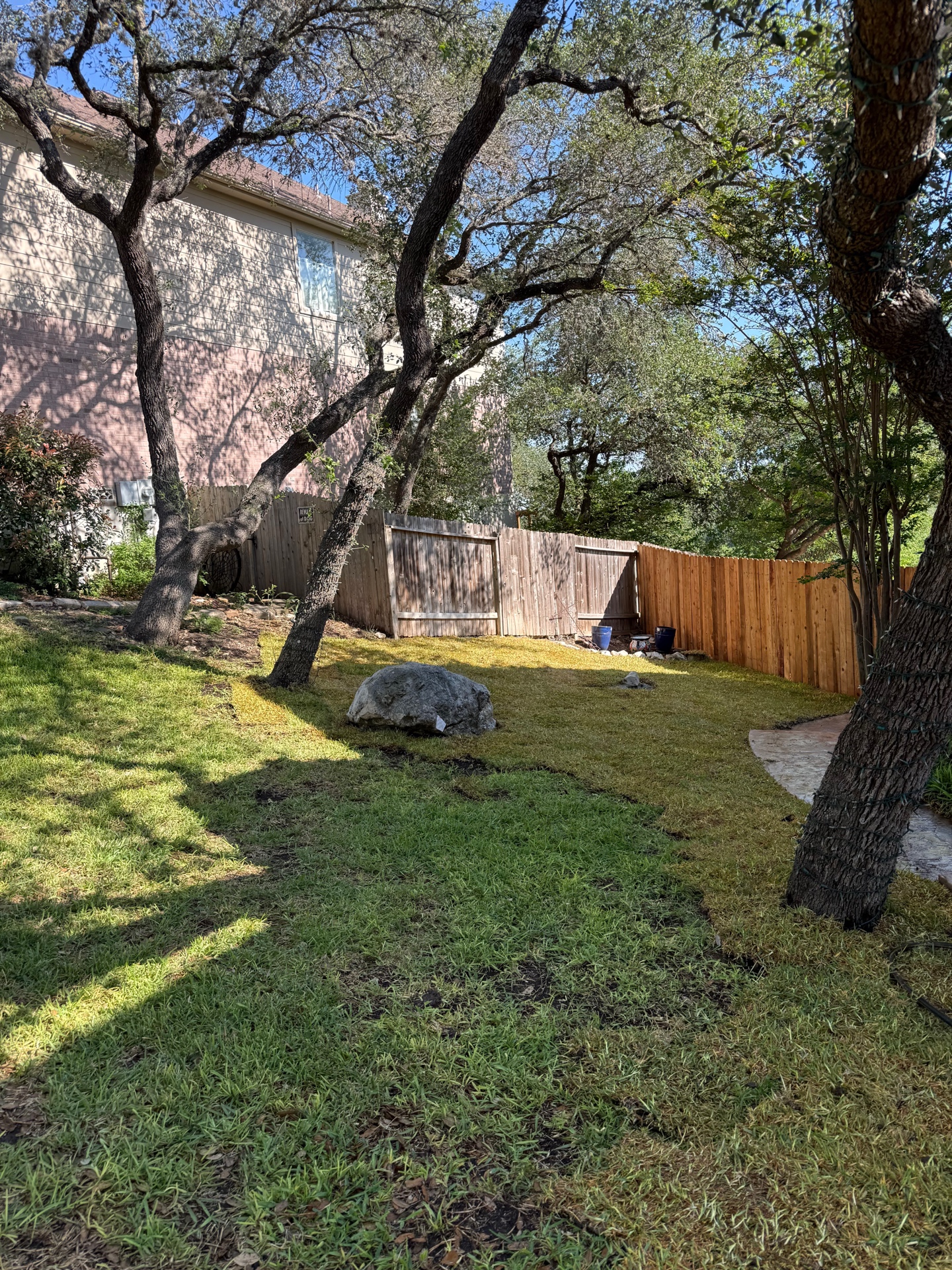
Laying fresh turf is one of the fastest ways to transform a barren yard into a lush, green outdoor living space. However, in San Antonio and the surrounding South Texas region, the intense sun, high temperatures, and dense caliche soils create a uniquely challenging environment for newly installed grass. Knowing how much water new sod needs—and when to apply it—can mean the difference between a thriving lawn and costly replacement turf.
The Golden Rule of New Sod Watering
The single most important factor in establishing new sod is keeping the roots and the underlying soil consistently moist until the grass is fully rooted. Unlike established turf that can tolerate infrequent, deep soakings, newly laid sod has no deep root system to draw from. The roots are restricted to the thin layer of soil attached to the sod piece itself.
During the first ten to fourteen days, the sod must never be allowed to dry out completely. If the edges of the turf begin to curl, turn brown, or feel crispy, it is a sign of severe underwatering. Conversely, soaking the ground into a muddy swamp where water pools indefinitely can drown the roots and encourage fungal diseases. The goal is a sponge-like consistency in the top layer of soil.
A Practical Watering Schedule for San Antonio Heat
Because San Antonio summers are notoriously scorching and dry, evaporation rates are extremely high. Your watering schedule must account for both weather conditions and sun exposure.
During the first week, you will typically need to water your new sod at least once or twice a day. Early morning is always the best time to irrigate, as it minimizes water loss due to wind and midday evaporation while allowing the blades to dry before nightfall, reducing disease risk. Apply enough water to thoroughly soak through the sod pad and wet the top inch or two of native soil underneath.
By the second week, you can usually reduce frequency to once daily, provided temperatures are moderate and the roots are beginning to anchor into the ground. Test the root system gently by trying to lift a corner of the sod; if it resists being pulled up, the roots are taking hold. By the third week, you can transition to watering every other day, and eventually taper down to a deep, infrequent schedule once the grass is fully established.
Caliche Soil, Drainage, and Root Contact
San Antonio yards often contend with caliche—a hard, alkaline calcium carbonate layer that restricts water movement and root penetration. When installing sod over local soils, proper ground preparation and rolling are essential to ensure intimate contact between the sod roots and the earth.
If air pockets exist beneath the sod pieces, those areas will dry out rapidly regardless of how much water you apply from above. Amending the soil properly and ensuring smooth grading prevents water from pooling in low spots or running off hard, compacted clay slopes.
Navigating SAWS Guidelines and Water Restrictions
Water conservation is a critical priority in San Antonio, managed heavily by the San Antonio Water System (SAWS). When installing new sod, homeowners must remain mindful of local drought stages and municipal watering ordinances. Regulations regarding hand-held watering, automated irrigation systems, and variance requests for new landscaping can change depending on aquifer levels and regional climate conditions. Always check current SAWS policies and consult a licensed irrigation professional before altering or expanding a sprinkler system to accommodate new turf.
When to Call Professional Landscaping Support
While many homeowners choose to lay sod themselves, achieving a seamless, professional finish often requires specialized equipment, precise grading, and expert knowledge of South Texas turfgrass varieties like St. Augustine, Zoysia, or Bermuda. If your yard suffers from severe drainage issues, massive oak tree shade, or heavily compacted caliche, bringing in an experienced, owner-operated team like Recover Landscape can ensure your project starts off right. Professional landscapers can handle the heavy lifting of site preparation and grading, while complex irrigation installations or backflow preventer repairs should always be coordinated with licensed irrigation contractors.
Frequently Asked Questions
How soon can I mow new sod?
Wait until your new sod is securely rooted, usually about two to three weeks after installation. Test by gently tugging on a corner. When mowing for the first time, keep the mower blade high and ensure the soil is dry enough that heavy equipment won't rut the turf.
Can I water new sod at night?
It is strongly discouraged. Watering at night leaves moisture sitting on the blades for hours, creating a breeding ground for lawn fungus and brown patch diseases in South Texas humidity. Always water in the early morning hours.
What time of day is best to water?
Between 4:00 AM and 10:00 AM is optimal. This allows the water to soak deeply into the soil before the intense San Antonio sun causes rapid evaporation.
Transform Your Yard Today
Establishing a vibrant, resilient lawn in South Texas requires proper care, precise watering, and expert site preparation from day one. If you are ready to upgrade your outdoor space with premium turf, contact Recover Landscape to discuss your project needs. Explore our professional [Sod Installation](/services/sod-installation) services to get started on your landscape transformation.
Related Services
See Real Project Results
Explore documented before-and-after work from Recover Landscape projects in the San Antonio area.
Ready to Get Started?
Recover Landscape serves San Antonio and surrounding areas. Call or text Peyton directly for a free estimate.
Call 817-484-8835