Topsoil vs. Compost vs. Garden Soil: What Does Your San Antonio Yard Need?
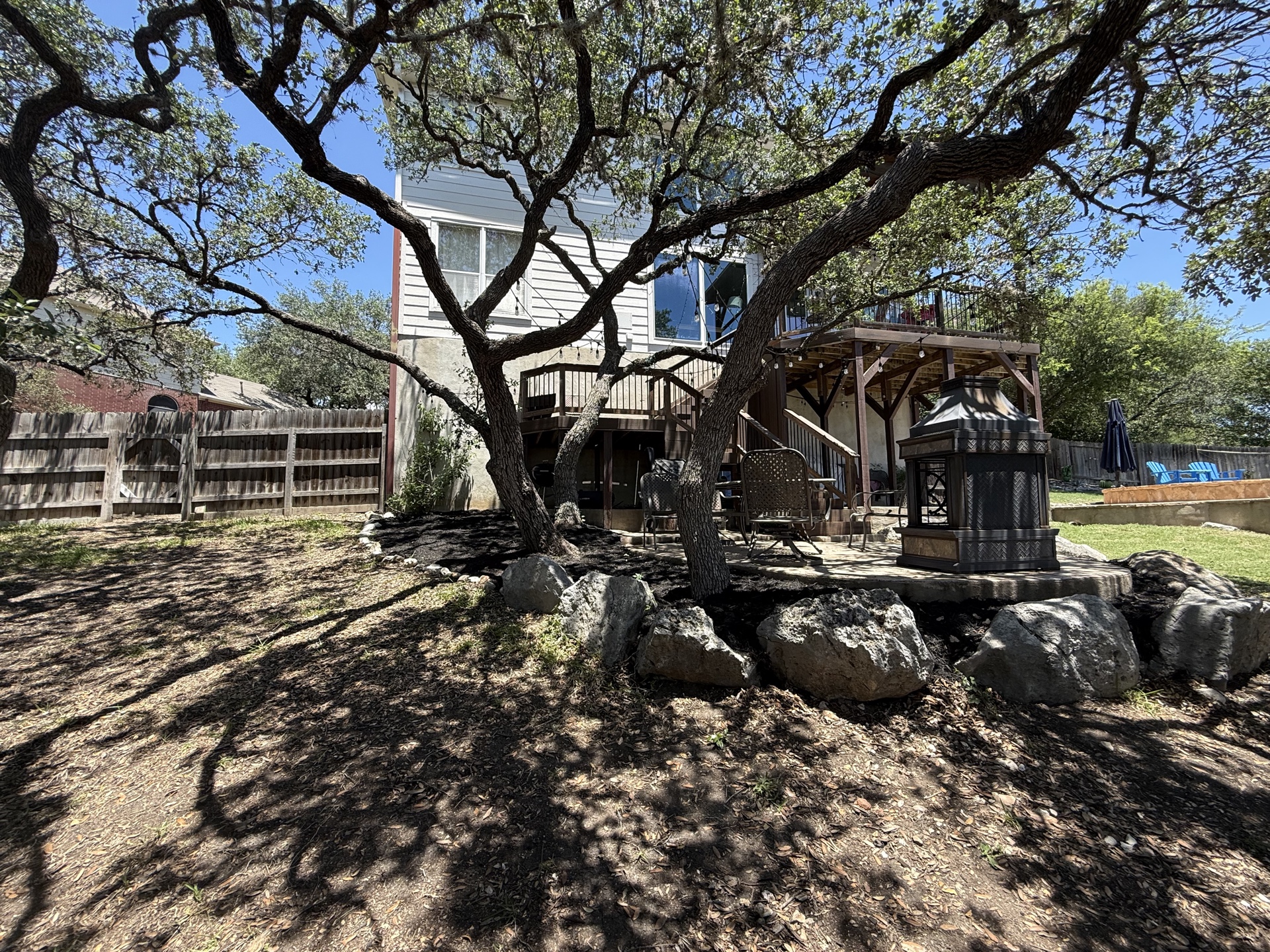
When visiting a local nursery or building supply yard in South Texas, you will find bags and bulk earth labeled topsoil, compost, and garden soil. To the untrained eye, they all look like dirt. However, in the unique environment of San Antonio and the surrounding Hill Country, choosing the wrong material can harm your landscape plants and flower beds. Understanding the distinct properties of each soil product is essential for establishing a thriving, drought-resilient yard.
Understanding San Antonio’s Unique Soil Challenges
San Antonio yards face demanding growing conditions. Much of our region features heavy clay subsoils or shallow, alkaline caliche layers that restrict root growth and drain poorly in some spots while baking hard in the summer sun. Summer temperatures regularly exceed triple digits, placing immense stress on plants. Organic matter breaks down rapidly in our heat, meaning soils often lack natural fertility and microbial life.
To overcome these hurdles, property owners must amend and maintain their soil using topsoil, compost, and garden soil correctly. Each serves a distinct purpose, and knowing when to apply each one prevents wasted effort and plant failure.
What Is Topsoil and When Do You Need It?
Topsoil is the outermost layer of native earth, primarily composed of mineral particles like sand, silt, and clay, along with varying amounts of organic matter. Because it is heavy and stable, topsoil is the right choice for large-scale grading, filling low spots in the yard, establishing new lawns, or building up landscape bed elevations.
However, raw topsoil is rarely a magic cure-all for planting. In San Antonio, commercial topsoil can mirror local heavy clay or lack sufficient nutrient levels. Using plain topsoil directly inside small planting holes or raised beds often results in compaction that restricts root penetration. Topsoil should be viewed as a foundation material for filling, leveling, and creating structural grade rather than a standalone fertilizer.
The Role of Compost in Heavy Clay and Caliche
Compost is fully decomposed organic matter—such as yard trimmings, leaves, and manure—broken down by beneficial microbes. Unlike topsoil, compost is extremely rich in nutrients and organic humus. In San Antonio, where native soils lack organic material and are bound by clay or caliche, compost is an invaluable amendment.
When worked into heavy clay, compost creates microscopic air pockets that improve soil structure, allowing roots to breathe and water to infiltrate efficiently. In caliche-heavy soils, compost increases moisture retention, helping plants weather scorching summers. Compost is a powerful additive rather than a deep planting medium by itself. Tilling a two-to-three-inch layer of high-grade compost into your existing soil before planting transforms stubborn earth into a fertile bed.
When to Choose Garden Soil for Beds and Planters
Garden soil—sometimes marketed as planting mix or raised bed soil—is a specialized, pre-blended concoction designed for growing plants in elevated environments or containers. Unlike raw topsoil, garden soil is lightweight, porous, and nutrient-balanced. It typically combines topsoil or peat with compost, bark fines, vermiculite, or perlite for optimal drainage.
If you are planting perennials, seasonal flowers, or vegetables in a raised bed or garden box, garden soil is the correct choice. Because raised beds sit above ground and lack natural earthworms, they require a lighter medium that will not pack down under regular watering. Using raw topsoil inside a raised bed will cause it to cement together, suffocating plant roots.
Matching the Right Soil Amendment to Your Project
Selecting the correct material comes down to defining your project. If you are filling a depression in the lawn or raising property grade, bulk topsoil is the structural choice. If you are preparing native in-ground beds for new shrubs or ornamental grasses, mixing in rich compost will revitalize the tight native earth. If you are filling new wooden planter boxes, garden soil provides the balanced porosity your plants require.
Managing a healthy San Antonio landscape often requires ongoing soil management, seasonal mulching, and proper irrigation adjustments. When planning landscape overhauls or looking for professional guidance on keeping your yard lush despite watering restrictions, consulting experienced professionals is a prudent step. For irrigation installations or adjustments, property owners should always check current San Antonio Water System (SAWS) regulations and work with licensed professionals, as local rules change frequently.
Frequently Asked Questions
Can I use topsoil inside my raised vegetable beds?
No, topsoil is too dense and will compact tightly in a raised bed, restricting root growth. Garden soil blended with compost is designed specifically for raised containers.
How often should I add compost to my landscape beds?
Adding a fresh one-inch layer of compost as a top-dress or working it lightly into your beds once a year helps replenish organic matter lost to San Antonio heat.
Does compost help with caliche soil?
Yes. Incorporating compost helps break up the density of caliche-influenced earth over time, improving microbial activity and making nutrients accessible to roots.
Where can I get professional help with my overall landscape maintenance?
For reliable upkeep, seasonal cleanups, and tailored property care, explore professional solutions through the [Landscape Maintenance](/services/landscape-maintenance) service page.
Conclusion
Choosing between topsoil, compost, and garden soil does not have to be a guessing game. By recognizing that topsoil provides structural fill, compost delivers organic fertility for heavy South Texas clay, and garden soil offers porosity for raised beds, you can set your landscape up for long-term success. Assess your project, prepare your earth thoughtfully, and enjoy a vibrant outdoor space that stands up to the Texas climate.
Related Services
See Real Project Results
Explore documented before-and-after work from Recover Landscape projects in the San Antonio area.
Ready to Get Started?
Recover Landscape serves San Antonio and surrounding areas. Call or text Peyton directly for a free estimate.
Call 817-484-8835