Why Is My Lawn Thin Under Oak Trees in San Antonio?
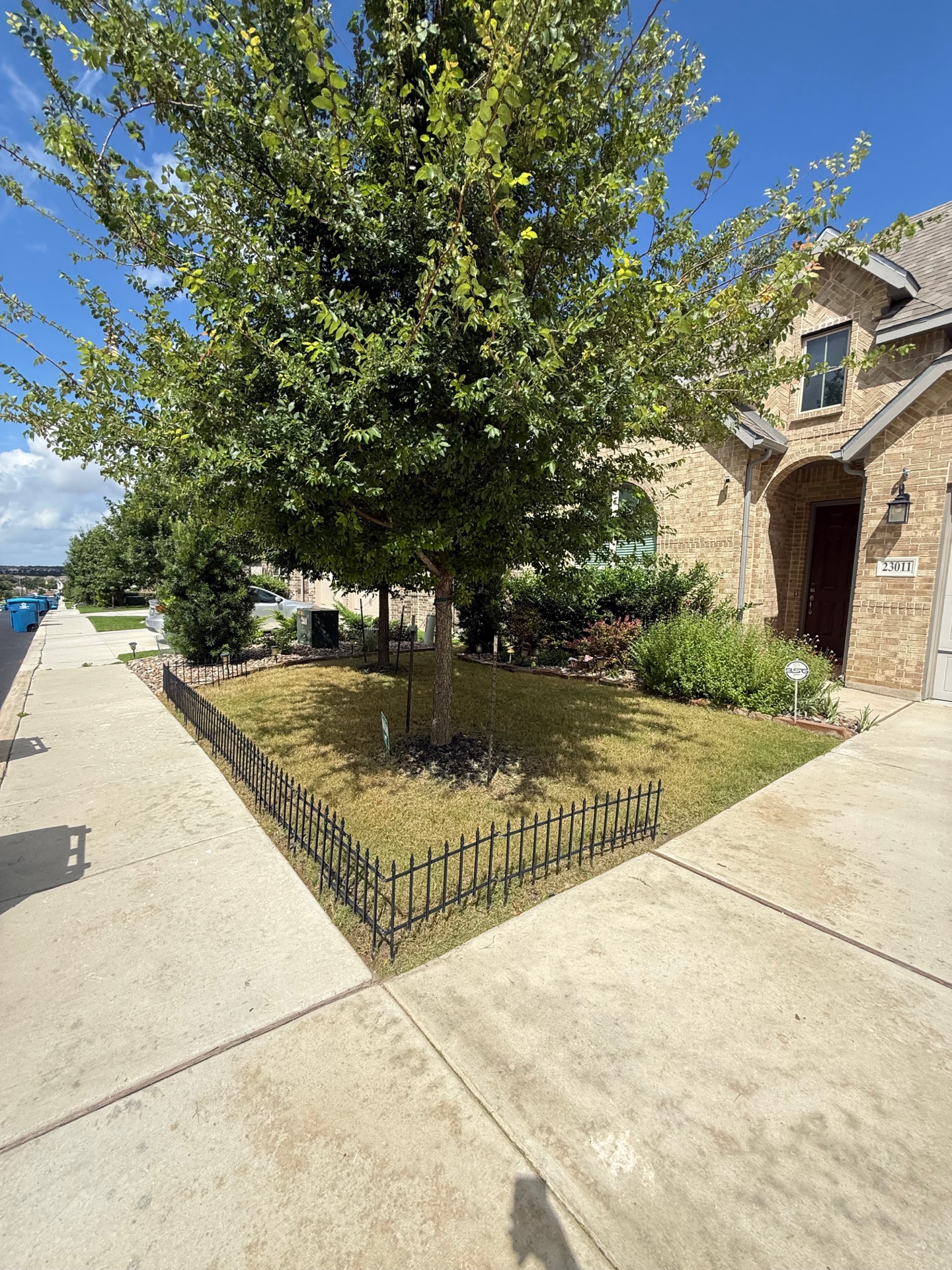
Homeowners across San Antonio, from the established neighborhoods inside Loop 410 to the rocky terrain of the Hill Country, frequently notice a frustrating trend: the grass beneath their majestic live oaks and red oaks gradually thins out, leaving bare patches or weak, spindly turf. This common landscape challenge is rarely the result of poor lawn maintenance alone. Instead, it is a combination of natural environmental factors, including dense canopy shade, intense root competition, soil compaction, and the unique challenges of South Texas weather. Understanding these underlying causes is the first step toward restoring balance to your outdoor space.
The Heavy Toll of Oak Shade on Turfgrass
Mature oak trees are the crowning glory of San Antonio properties, but their dense, sprawling canopies create a microclimate that is notoriously difficult for grass. Most popular turfgrass varieties—even shade-tolerant options like St. Augustine or certain zoysia grasses—require a baseline of direct or filtered sunlight to photosynthesize effectively. When oak trees block a significant portion of incoming sunlight, grass blades respond by growing thinner, weaker, and more elongated. Over time, this lack of solar energy exhausts the plant's carbohydrate reserves, making the turf incapable of recovering from normal wear and tear.
Root Competition and Moisture Stress in Local Soils
Beyond shade, the vast root systems of mature oaks present a formidable barrier to healthy turf. Oak roots spread outward just beneath the soil surface, aggressively claiming water and essential nutrients before shallow grass roots can access them. In San Antonio's demanding environment—characterized by alkaline clay, caliche layers, and scorching summer temperatures—this root competition creates severe moisture stress. Even when an irrigation system runs regularly, tree roots soak up the bulk of the available moisture. Homeowners should always consult current regulations and seasonal watering schedules provided by the San Antonio Water System (SAWS) to ensure efficient, compliant irrigation practices that support both trees and turf without waste.
Soil Compaction and Organic Matter Depletion
Shaded areas under large trees naturally experience high foot traffic as people seek refuge from the blazing South Texas sun. This constant traffic, combined with natural leaf litter decomposition and clay soil composition, leads to significant soil compaction. Compacted soil restricts oxygen flow, water infiltration, and root expansion. According to research from the Texas A&M AgriLife Extension, managing turf in shaded, high-root environments often requires addressing soil aeration and organic matter levels to improve root zone vitality and microbial activity.
Strategic Tree Pruning and Canopy Management
When turf continues to thin beneath heavy oak canopies, aggressive fertilizing or repeated re-sodding is rarely a permanent solution. A more effective strategy involves modifying the environment through professional canopy management. Selective crown thinning, crown raising, and deadwood removal can significantly increase the amount of dappled sunlight filtering down to the lawn while improving vital air circulation. This targeted pruning not only protects the structural integrity and health of your oak trees but also gives struggling turf a fighting chance to thicken up.
Frequently Asked Questions
Can I simply lay new sod under my oak trees when the grass dies?
Laying new sod under dense oak trees without modifying the environment usually ends in disappointment. New turf requires adequate sunlight and root space to establish; without addressing shade and root competition, new sod will typically decline within a single season.
Will raising the tree canopy completely solve my thinning lawn problems?
Canopy raising and crown thinning allow more sunlight and air movement to reach the grass, which dramatically improves turf health. However, in areas with extremely dense shade or massive surface roots, transitioning part of the space to shade-tolerant ground covers or decorative mulch beds may be a more sustainable solution.
How should I adjust my watering routine for shaded lawns during summer?
Shaded turf requires less water than grass exposed to full sun because evaporation rates are lower under canopies. However, because tree roots compete heavily for moisture, monitoring soil moisture depth is crucial. Always check current local watering rules and drought restrictions via SAWS before adjusting your irrigation timers.
Cultivating a Healthy San Antonio Landscape
Maintaining a balanced landscape under mature oaks requires respecting the natural dominance of your trees while nurturing your turf where conditions permit. If your San Antonio property is struggling with shaded, thin turf and you want to explore professional solutions, contact Recover Landscape today to discuss our expert [Tree Trimming Services](/services/tree-trimming).
Related Services
See Real Project Results
Explore documented before-and-after work from Recover Landscape projects in the San Antonio area.
Ready to Get Started?
Recover Landscape serves San Antonio and surrounding areas. Call or text Peyton directly for a free estimate.
Call 817-484-8835