Is My San Antonio Lawn Heat Stressed or Dead? How to Tell the Difference
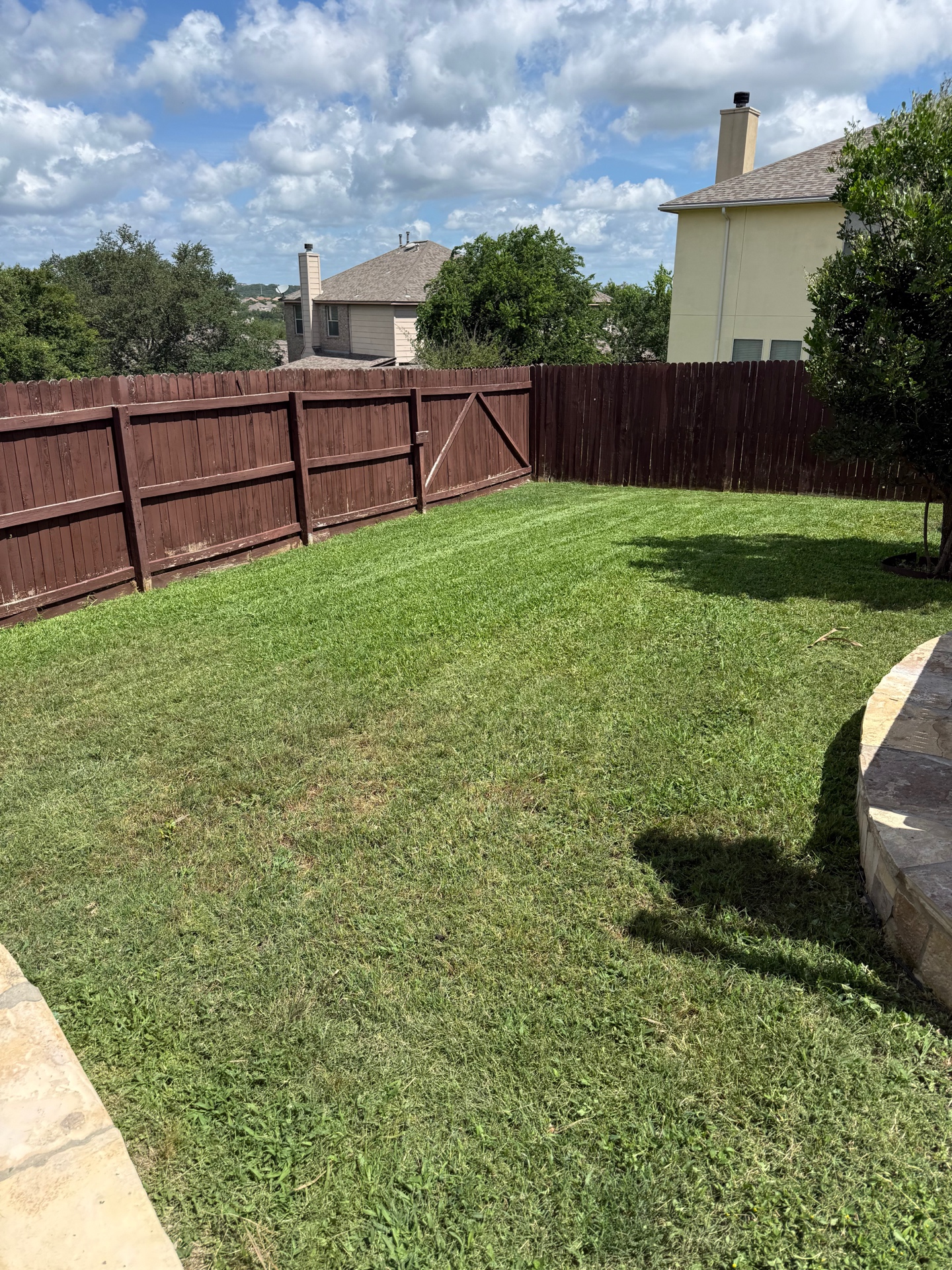
Howdy, folks! Peyton Johnson here from Recover Landscape. If you're like most of my neighbors here in San Antonio, you've probably looked out at your lawn during these scorching summer months and wondered, "Is it just me, or is my grass giving up the ghost?" It's a common worry, especially when the Texas sun is beating down relentlessly. That once vibrant green can turn a sad shade of brown, and it's tough to tell if it's just a temporary setback or if you're looking at a full-blown lawn funeral.
Today, I want to walk you through how to figure out what's really going on with your lawn. We'll talk about the difference between heat stress, dormancy, and outright death, and I'll share some practical tips, including my favorite, the 'tug test,' to help you assess your turf.
Heat Stress, Dormancy, or Dead? Understanding Your Lawn's Summer Struggle
First off, let's clear up some confusion. Your lawn has a few ways of dealing with extreme heat and drought, and they all look a little different.
What does heat stress look like in a San Antonio lawn?
When your lawn is heat-stressed, it's usually the first sign of trouble. The grass blades might start to lose their vibrant green color, turning a dull, grayish-green or even a yellowish-tan. You might notice footprints staying visible on the grass for longer after you walk across it, which means the blades aren't bouncing back like they should. It's thirsty, but not necessarily dying yet.
What's the difference between dormant grass and dead grass in Texas summer?
This is the big question, and it's crucial for deciding what to do next. Dormancy is your lawn's natural survival mechanism. When conditions get too tough – think prolonged heat and lack of water – warm-season grasses like St. Augustine or Bermuda will essentially go to sleep to conserve energy. They'll turn a uniform tan or straw color, but the crowns (the base of the grass plant) are still alive, just waiting for better times. Once cooler temperatures and rain return, or you start watering consistently, a dormant lawn can bounce back.
Dead grass, on the other hand, is exactly what it sounds like. The entire plant, including the crown, has died. It will often look brittle, dry, and might have a more grayish-brown color. The key difference is that dead grass won't recover, no matter how much water you give it.
The Tug Test: Your Lawn's Report Card
So, how do you tell if your lawn is just sleeping or if it's truly gone? My go-to method is the 'tug test.' It's simple, effective, and doesn't require any fancy tools.
How do I perform the "tug test" on my lawn?
Find a patch of brown grass that you're concerned about. Grab a handful of the grass blades and give them a gentle tug. If the grass resists and stays firmly rooted, it's likely dormant. The roots and crowns are still alive and holding on. If, however, the grass pulls up easily from the soil, almost like you're pulling up a loose mat, then it's probably dead. The roots have given up, and there's nothing left to anchor the blades.
Color Cues: Tan vs. Gray vs. Brown
While the tug test is definitive, color can also give you some clues:
Recovery and What Comes Next
Let's say your lawn passes the tug test and you suspect it's just dormant. Great news! There's hope.
How long does it take for a dormant lawn to recover after watering?
If your lawn is dormant and you start providing consistent, deep watering (about 1 inch per week, either from rain or irrigation), you should start to see signs of greening within 1 to 2 weeks. Full recovery might take a few weeks longer, depending on how long it was dormant and the severity of the conditions. Be patient, and don't overwater, as that can cause other problems.
What should I do if I have dead patches in my lawn?
If the tug test confirms you have dead sections, don't despair. The best approach is to remove the dead grass and prepare the soil for new sod. Trying to revive truly dead grass is a losing battle. You'll want to address any underlying issues that might have caused the death, like poor drainage or compacted soil, before laying new sod.
Should I overseed my lawn in San Antonio during the summer?
For warm-season grasses common in San Antonio, I generally advise against overseeding in the summer. The extreme heat and competition from existing grass (even if dormant) make it very difficult for new seeds to germinate and establish. Fall is typically the best time for overseeding cool-season grasses, but for our warm-season varieties, it's often better to wait until spring or consider sod for dead patches.
Resodding vs. Overseeding: What's the Cost?
When it comes to repairing or rejuvenating your lawn, you've got a couple of main options, each with its own timeline and cost. Here's a quick comparison:
| Feature | Overseeding (Warm-Season Grasses) | Resodding Dead Patches |
|---|---|---|
| Timing | Generally not recommended in summer; best in spring/fall for cool-season | Can be done anytime the ground isn't frozen, but spring/fall are ideal for establishment |
| Cost | Lower initial material cost (seed) | Higher initial material and labor cost (sod) |
| Effort | Moderate (soil prep, watering, protection) | Higher (removal of old turf, soil prep, laying sod, watering) |
| Results | Slower, less uniform, higher risk of failure in summer | Immediate, uniform, higher success rate if properly installed |
| Recovery Time | Weeks to months for full establishment | Days to weeks for roots to take hold |
| Best For | Thinning lawns, minor bare spots (not summer) | Large dead patches, instant results, preventing weeds |
What's the cost difference between resodding and overseeding?
As you can see from the table, overseeding typically has a lower material cost because seed is cheaper than sod. However, the success rate in summer for warm-season grasses is very low, meaning you might spend money on seed and water with little to show for it. Resodding, while a larger upfront investment, provides immediate results and a much higher chance of success for dead patches, especially when done by professionals who know how to prepare the soil and lay it correctly. For a precise quote on resodding or any other lawn care needs, give us a call.
Don't Let the Summer Heat Get You Down!
San Antonio summers are tough on everything, especially our lawns. But with a little know-how, you can often tell the difference between a lawn that's just taking a break and one that needs a fresh start. Remember, a healthy lawn adds so much to your home's curb appeal and your enjoyment of your outdoor space.
If you're still scratching your head, or if you've got dead patches that need professional attention, don't hesitate to reach out. Peyton and the team at Recover Landscape are here to help you bring your lawn back to life. Give us a call at 817-484-8835 or visit us online at recoverlandscape.com for a consultation. We're proud to serve San Antonio and the surrounding areas like Stone Oak, Helotes, Leon Valley, Alamo Heights, Terrell Hills, Castle Hills, Shavano Park, Boerne, New Braunfels, Schertz, Converse, and all of Bexar County. Let's get your lawn looking its best, even in this Texas heat!
Related Services
See Real Project Results
Explore documented before-and-after work from Recover Landscape projects in the San Antonio area.
Ready to Get Started?
Recover Landscape serves San Antonio and surrounding areas. Call or text Peyton directly for a free estimate.
Call 817-484-8835