Does My Lawn Need a Soil Test in San Antonio? What Homeowners Should Know
Understanding San Antonio's Unique Soil Chemistry
If you have spent any time gardening or maintaining a yard in Bexar County, you already know that San Antonio soil is far from uniform. Much of our region sits over heavy clay and caliche—a hardened layer of calcium carbonate that creates a highly alkaline environment. In contrast, areas shaded by massive heritage live oaks often experience more acidic soil due to decomposing leaf litter, while parts of South San Antonio or closer to the river basin may feature sandier loams.
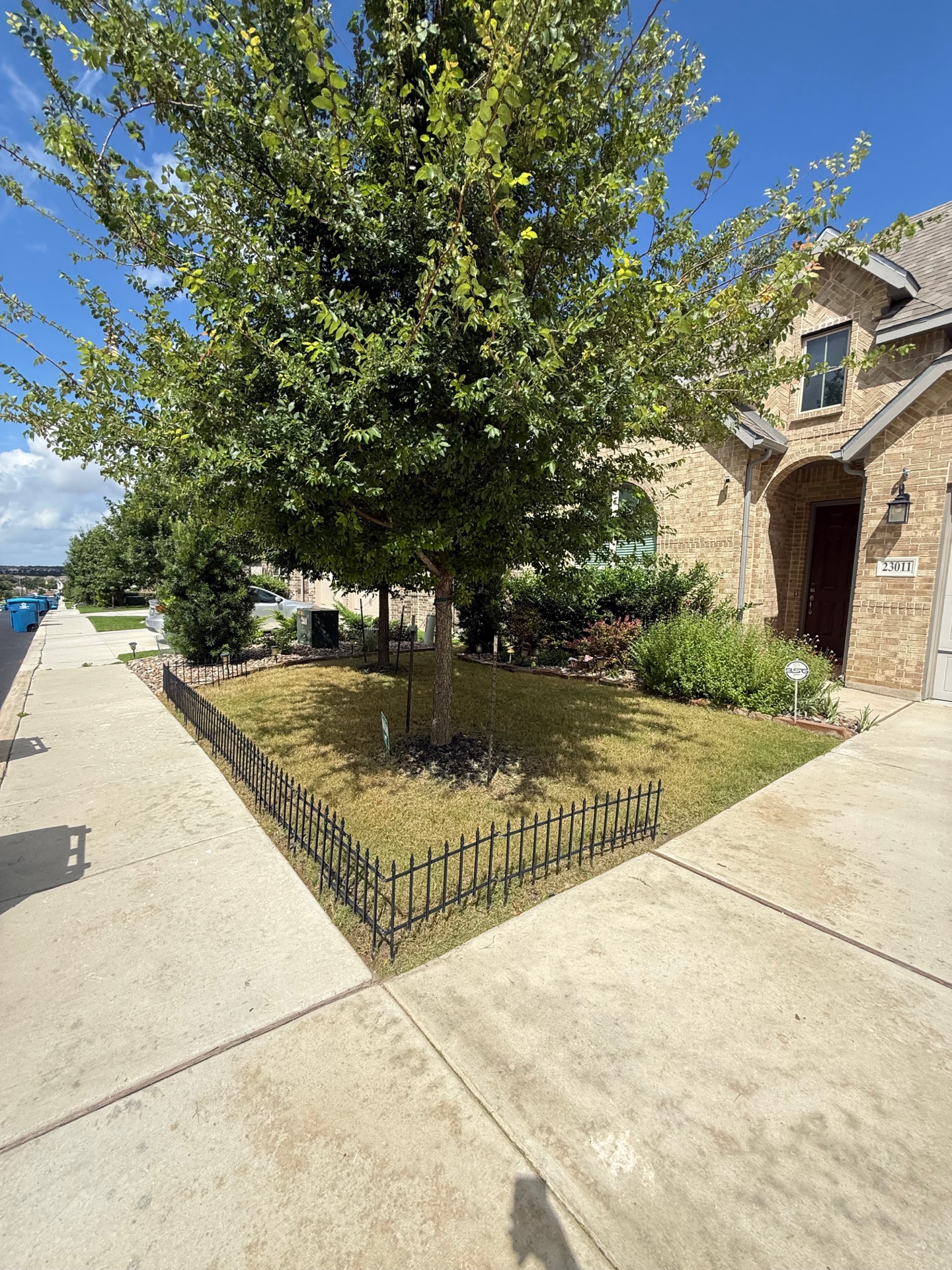
This variability directly dictates how turfgrass absorbs nutrients. High alkalinity (often sitting at a pH of 7.5 to 8.2 or higher) frequently locks up essential micronutrients like iron, phosphorus, and manganese. Even if you apply standard granular fertilizers, high pH levels can prevent grass roots from actually utilizing those nutrients, leading to chronic chlorosis (yellowing), weak root development, and thin turf. A soil test removes the guesswork by measuring exact pH levels, organic matter percentages, and primary nutrient availability.
When Should You Actually Order a Soil Test?
A soil test is not a mandatory weekly chore for every homeowner, but certain landscape scenarios make testing exceptionally useful. You should consider a professional soil analysis if your St. Augustine, Bermuda, or Zoysia lawn shows persistent signs of distress—such as yellowing leaves or stunted growth—that do not resolve with correct watering and regular mowing.
Testing is also highly recommended before undertaking a major lawn renovation, laying new sod on bare earth, or establishing a new flower bed. Knowing your baseline nutrient and pH profile allows you to amend the soil correctly from day one rather than fighting unyielding caliche sublayers blindly. For reliable local recommendations and testing kits, homeowners frequently turn to resources such as the Texas A&M AgriLife Extension Service, which provides detailed soil testing guidelines tailored to South Texas climates.
When considering broader landscape adjustments or irrigation checks, it is important to keep local regulations in mind. For instance, any significant modifications to irrigation systems should always align with current San Antonio Water System (SAWS) guidelines and be handled in compliance with local watering restrictions and licensed professional requirements. Rules regarding backflow prevention, meter connections, and seasonal watering schedules change periodically, so checking official municipal guidelines ensures your property remains compliant.
How Soil Testing Connects to Smarter Lawn Care
Rather than relying on generic, one-size-fits-all fertilizer schedules purchased off the shelf, a targeted soil report empowers you to apply precisely what your turf needs. If a test indicates extreme alkalinity, sulfur amendments or specific iron chelates may be recommended to temporarily lower surface pH and restore a deep green color. Conversely, if your soil has adequate phosphorus but lacks potassium, you can select a fertilizer ratio that supports drought tolerance and winter hardiness without unnecessarily overloading the soil.
Integrating soil insights into your ongoing routine transforms lawn care from a reactive guessing game into a proactive science. Partnering with experienced local professionals can help you interpret these laboratory results correctly and apply treatments at the exact right times of year for South Texas weather patterns.
Frequently Asked Questions
How often should I test my lawn's soil in San Antonio?
Most established residential lawns do not need yearly soil tests. Once every three to five years is typically sufficient unless you make major changes to your landscape, add significant topsoil, or notice sudden, unexplained turf decline.
Can a soil test help with brown patch or fungal diseases?
Soil tests primarily measure chemical composition, pH, and nutrient availability rather than identifying active fungal pathogens like brown patch or take-all root rot. However, balanced soil nutrition does foster more resilient turf that recovers from disease pressure more effectively.
Do I need a professional to take the soil samples?
Homeowners can easily collect core samples themselves by following university extension instructions, but professional lawn care teams can ensure samples are pulled from representative zones and correctly submitted to accredited labs.
Professional Lawn Care Support in San Antonio
Navigating the nuances of alkaline caliche soils, seasonal fertilization, and healthy turf maintenance can be demanding. If you want expert guidance tailored to your specific yard without the guesswork, Recover Landscape is here to help. Explore our professional [Lawn Care](/services/lawn-care) services to keep your outdoor living spaces thriving year-round.
Related Services
See Real Project Results
Explore documented before-and-after work from Recover Landscape projects in the San Antonio area.
Ready to Get Started?
Recover Landscape serves San Antonio and surrounding areas. Call or text Peyton directly for a free estimate.
Call 817-484-8835