How to Tell If Your San Antonio Lawn Actually Needs Water
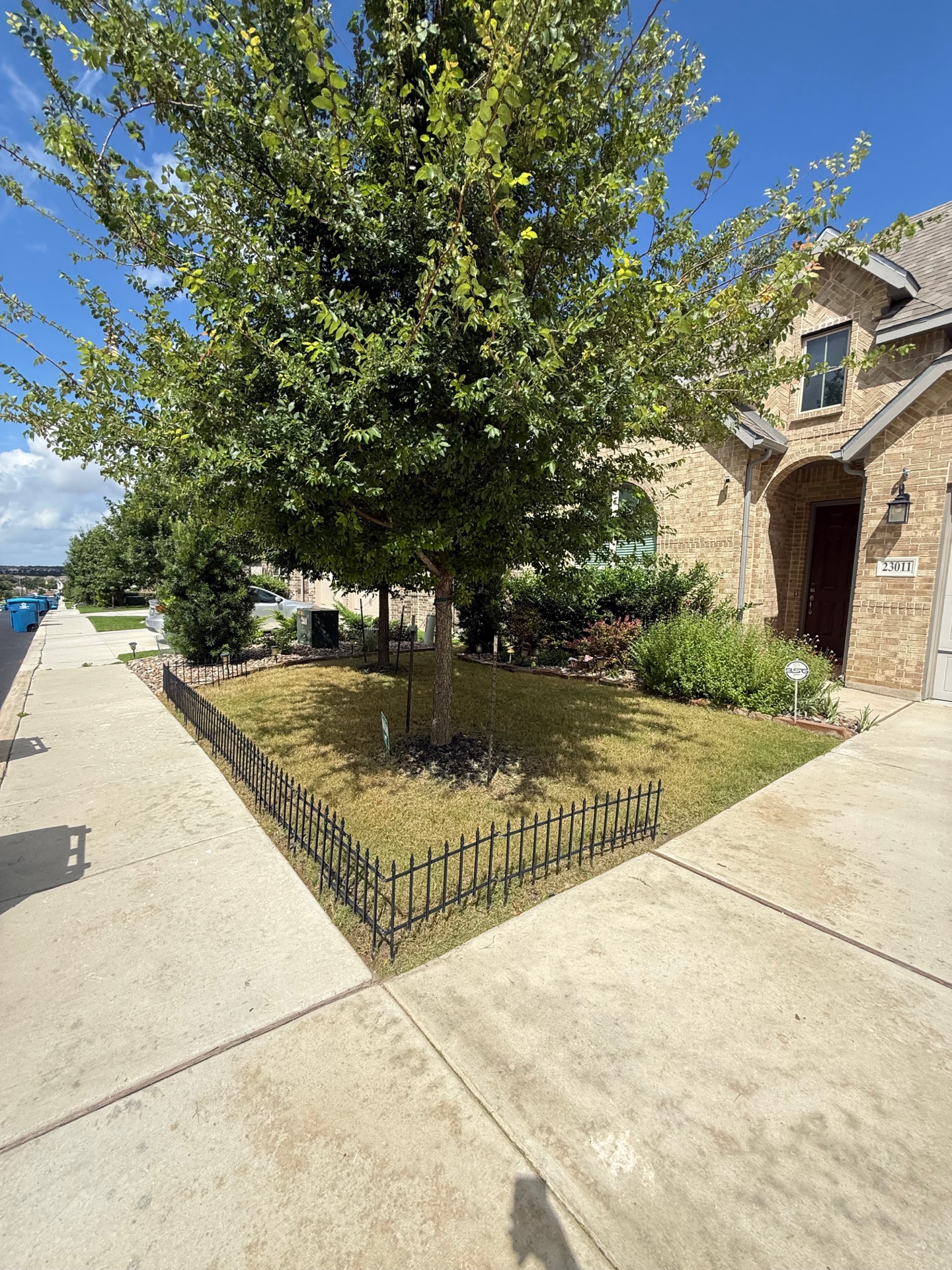
Maintaining a healthy green lawn in San Antonio requires a careful balance between keeping turf hydrated and respecting local water conservation needs. With scorching South Texas summers, alkaline caliche subsoils, and extensive live oak root systems competing for moisture, knowing exactly when your grass needs irrigation can be challenging. Overwatering wastes precious water and encourages shallow root growth, while underwatering leaves turf vulnerable to heat stress and permanent damage. Recognizing the reliable physical and soil-based signs of drought stress helps homeowners make informed watering decisions.
The Footprint Test and Leaf Blade Folding
One of the simplest, most reliable ways to check if your turfgrass requires water is the classic footprint test. When walking across a healthy lawn, the grass blades should immediately spring back upright after your foot passes. If your footprints remain visible as flattened, grayish-green impressions hours later, the grass lacks sufficient internal water pressure, known as turgor pressure, and is experiencing drought stress.
Another visual indicator is leaf blade folding or curling. Turf varieties common in San Antonio, such as St. Augustine and Bermuda grass, naturally react to dry conditions by folding their leaves inward to minimize surface area and reduce moisture loss. Additionally, the overall color of the lawn may shift from a vibrant green to a dull, bluish-gray tint before turning straw-brown. Catching these early visual cues allows you to irrigate before severe stress sets in.
Soil Moisture, Caliche, and Oak Tree Competition
Surface appearance alone does not always tell the full story, particularly in San Antonio's varied landscape environments. Local soils often feature dense clay or caliche layers that bake rock-hard when dry, making it difficult for moisture to penetrate deeply or for roots to expand. Furthermore, mature oak trees dominate many residential properties across Bexar County, aggressively drawing moisture from the surrounding soil.
To verify true soil moisture levels below the surface, perform a simple screwdriver test. Push a standard six-inch screwdriver or metal probe into the ground. In adequately moist soil, the tool penetrates smoothly with moderate pressure. If the metal hits unyielding resistance just beneath the surface, your soil is excessively dry and compacted, preventing water from reaching the root zone even if the surface appears damp.
Navigating SAWS Guidelines and Watering Restrictions
San Antonio property owners must always align their watering habits with regulations set by the San Antonio Water System (SAWS). Water conservation stages, seasonal schedules, and designated watering days dictate when and how long irrigation systems can operate. Because drought conditions and aquifer levels fluctuate throughout the year, rules and watering windows change periodically. Homeowners should regularly check current SAWS guidelines and seasonal restrictions before modifying automated sprinkler timers or hand-watering schedules.
When to Call Professional Lawn Care Services
While monitoring soil moisture and following local water guidelines keeps most residential lawns on track, persistent turf decline can sometimes stem from underlying issues rather than simple underwatering. Soil compaction, heavy thatch accumulation, nutrient deficiencies, or fungal pathogens can mimic the exact symptoms of drought stress.
When your lawn fails to recover despite adequate watering, or if you need an objective assessment of your overall turf health, professional support is invaluable. An owner-operated team like Recover Landscape can evaluate your property's soil conditions, thatch levels, and turf density to recommend the right maintenance plan through our professional [Lawn Care](/services/lawn-care) services. Please note that while general lawn maintenance and soil management optimize turf resilience, any permanent irrigation installation, backflow testing, or major plumbing modifications must be handled by licensed irrigation professionals in compliance with Texas state regulations.
Frequently Asked Questions
How often should I water my San Antonio lawn?
Frequency depends on seasonal weather, soil type, and current SAWS restrictions. Generally, established lawns benefit from deep, infrequent soaking—providing about one inch of water per week, including rainfall—rather than frequent, shallow sprinkling.
How can I tell if my grass is dead or just dormant?
During extreme summer heat or freezing winter snaps, turfgrass may go dormant to conserve energy, turning brown and brittle. To check, tug gently on a patch of brown grass; if it resists and stays anchored to firm roots, it is dormant and will green up when conditions improve. If it pulls up easily with no root system attached, the turf has died.
Can I install or repair my own underground irrigation system?
While homeowners can perform basic adjustments to above-ground hoses and sprinklers, Texas law regulates underground irrigation installations, controller wiring, and backflow preventers. Always consult certified irrigation professionals and review SAWS requirements before undertaking major system work.
Conclusion
Understanding your lawn's subtle warning signs prevents wasted water and protects your outdoor investment against harsh South Texas weather. By combining careful visual inspection with adherence to local conservation rules, you can maintain a resilient landscape. If you need expert guidance on keeping your turf healthy, contact Recover Landscape today to explore our comprehensive [Lawn Care](/services/lawn-care) services.
Related Services
See Real Project Results
Explore documented before-and-after work from Recover Landscape projects in the San Antonio area.
Ready to Get Started?
Recover Landscape serves San Antonio and surrounding areas. Call or text Peyton directly for a free estimate.
Call 817-484-8835