River Rock vs. Limestone: Choosing the Right Rock for San Antonio Landscape Beds
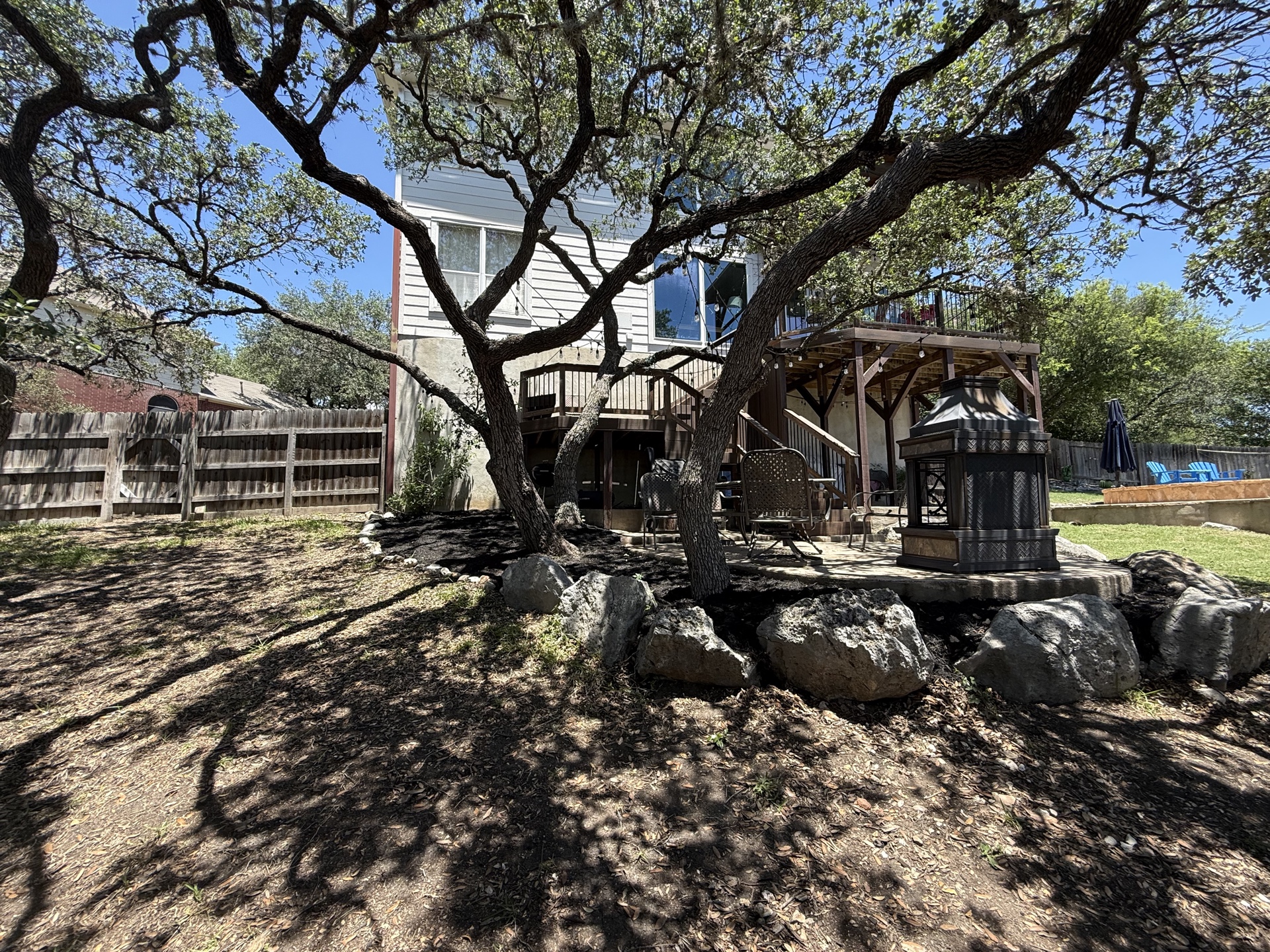
When upgrading your property's curb appeal in San Antonio, choosing the right ground cover for your landscape beds is a critical decision. Homeowners frequently weigh the sleek, polished look of river rock against the rugged, regional character of native limestone. Both materials offer distinct advantages for South Texas yards, but they behave differently under our intense summer heat, alkaline caliche soils, and seasonal weather shifts. Understanding how each rock type performs will help you create a durable, visually appealing landscape that complements your home.
Understanding San Antonio Soil and Climate Challenges
San Antonio landscaping comes with unique environmental factors. Much of our region features heavy clay or shallow caliche soils that can bake rock-hard during extended summer droughts. Furthermore, mature live oaks and cedar elms cast dense shade and drop heavy blankets of leaves, while sudden downpours can test your property's drainage. When selecting between river rock and limestone, you must consider how each material interacts with local soil chemistry, heat reflection, and routine yard maintenance like leaf removal and weed prevention.
River Rock: Smooth Aesthetics and Drainage
River rock is prized for its smooth, rounded texture and natural color variations, ranging from earthy tans and grays to rich reddish browns. Because of its polished surface, river rock creates a clean, modern aesthetic that contrasts sharply with structured turf and vibrant greenery.
In terms of functionality, river rock is exceptionally durable. It does not break down over time, nor does it wash away easily during heavy rainfall events. Its smooth gaps also promote efficient water drainage, making it an excellent choice for dry creeks, French drain outfalls, or areas prone to pooling water around foundations. However, because river rock is dense and smooth, it can retain solar heat during scorching August afternoons, meaning plants positioned directly against deep rock borders may require extra monitoring during peak heat waves.
Native Limestone: Regional Charm and Heat Management
Native limestone brings the authentic look of the Texas Hill Country right to your doorstep. Quarried locally, limestone features porous textures, angular or tumbled shapes, and chalky white, cream, or buff tones that harmonize effortlessly with regional stone architecture.
One of the standout benefits of limestone in San Antonio is its lighter color profile. Lighter stone reflects a significant portion of intense sunlight rather than absorbing it, which can help keep soil temperatures slightly more moderate around sensitive root systems during blistering summer months. Additionally, limestone is porous and breathable. While it may weather and develop a soft, weathered patina over time, this rustic aging process often enhances its integration into naturalistic, native-plant-focused landscapes.
Key Factors: Maintenance, Weeds, and Hardscape Choices
Regardless of whether you choose river rock or limestone, proper installation is essential for long-term satisfaction. Both rock types should always be laid over a high-quality, heavy-duty geotextile weed barrier to prevent intrusive grasses and stubborn weeds from taking root in the gaps.
Maintenance also differs slightly. River rock is easy to blow clean with a leaf blower when live oak leaves drop in the fall. Limestone, being more porous and textured, can sometimes catch finer organic debris and dust, requiring a bit more effort to keep looking pristine. For homeowners balancing rock borders with traditional organic ground cover, exploring options like professional mulch installation can provide an ideal moisture-retaining alternative for flower beds while reserving rock for high-drainage zones.
Frequently Asked Questions
Q: Do rock landscape beds heat up my plants too much in San Antonio summers?
A: Darker river rocks absorb more heat, which can stress delicate plants if placed in direct, all-day sun. Lighter native limestone tends to reflect more sunlight, keeping surrounding soil slightly cooler. Proper plant selection—such as heat-tolerant native perennials—mitigates this concern.
Q: Which rock is better for drainage areas?
A: Rounded river rock is generally preferred for active drainage channels, dry creek beds, and around downspout discharge points because its smooth edges allow water to flow freely without catching sediment.
Q: Can I mix mulch and rock in the same landscape design?
A: Yes, many homeowners use rock around foundations and drainage paths, and organic mulch in planting beds where soil enrichment and moisture retention are top priorities. Professional mulch installation ensures proper depth and separation between zones.
Elevate Your Yard with Professional Guidance
Choosing between river rock and limestone ultimately depends on your aesthetic preferences, drainage needs, and how much time you want to spend on upkeep. If you are unsure which material best suits your property's layout, consulting with an experienced, owner-operated professional like Recover Landscape can help you design a balanced, low-maintenance outdoor space. To explore complementary ground covers and keep your planting beds healthy year-round, learn more about our professional mulch installation services.
Related Services
See Real Project Results
Explore documented before-and-after work from Recover Landscape projects in the San Antonio area.
Ready to Get Started?
Recover Landscape serves San Antonio and surrounding areas. Call or text Peyton directly for a free estimate.
Call 817-484-8835