When Should I Replace Overgrown Shrubs in a San Antonio Landscape?
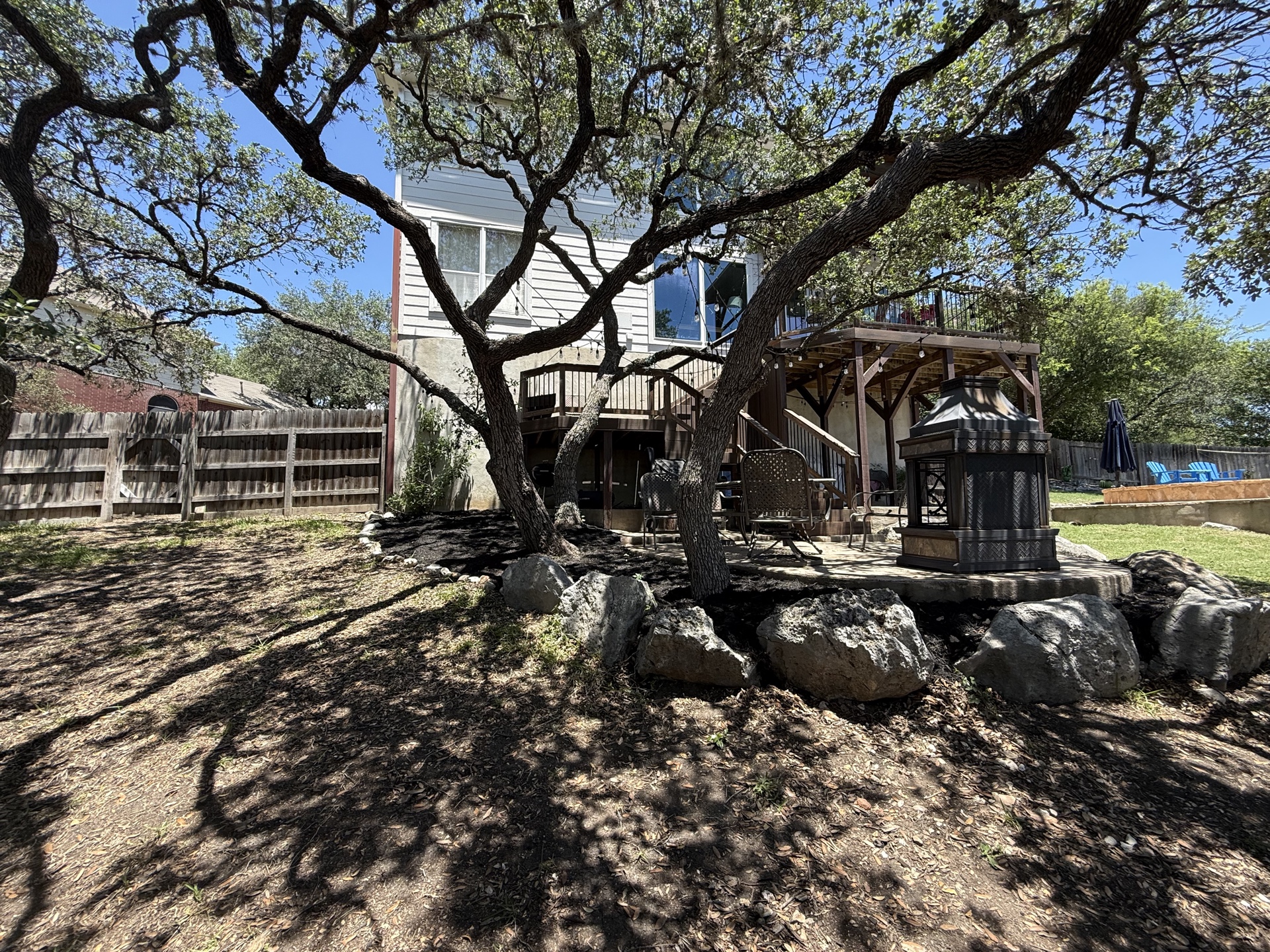
When you look out at your South Texas yard and notice shrubs that have swallowed windows, blocked walkways, or turned into woody, leafless thickets at the base, you are facing a common landscape dilemma. Many property owners try to solve this with severe hedging or drastic cutbacks, hoping the plant will bounce back. However, understanding when to replace overgrown shrubs rather than continuing to prune them can save you years of frustration, water waste, and ongoing maintenance costs in the unique San Antonio climate.
Recognizing When Shrub Overgrowth Becomes Irreparable
Every shrub has a natural growth habit and structural life span. When foundation plants or privacy hedges outgrow their designated space, property owners often resort to shearing them into tight green boxes year after year. Over time, this practice causes foliage to retreat to the outer shell of the plant, leaving a dense network of bare, woody branches inside.
If more than half of a shrub's structure consists of thick, dead, or crossing wood with minimal green growth on the interior, heavy rejuvenation pruning may no longer work. Broadleaf evergreens and flowering shrubs common in our region—such as glossy abelias, oleanders, or viburnums—can handle hard pruning, but older specimens with compromised root systems or hollowed-out centers rarely recover their aesthetic appeal. Replacing them allows you to select properly scaled species that match your architectural lines without constant combat against nature.
The San Antonio Environmental Context: Soil, Heat, and Hydration
San Antonio landscapes present distinct challenges that influence how shrubs grow and age. Much of our local soil profile features heavy clay or stubborn caliche layers that restrict deep root expansion and retain heat during intense summer months. When overgrown shrubs compete fiercely for limited soil moisture and nutrients within a restricted planting bed, they decline rapidly from the inside out.
Furthermore, mature live oak canopies create dense shade and root competition across many established neighborhoods in Alamo Heights, Terrell Hills, and North San Antonio. Shrubs originally planted in full sun decades ago may now be struggling beneath heavy shade and dropping leaves, making them leggy and sparse. Installing fresh, well-adapted replacement plants gives your landscape a resilient foundation capable of handling regional temperature extremes.
Choosing the Right Timing for Shrub Replacement
Timing matters significantly in South Texas horticulture. While container-grown shrubs can technically be planted year-round with proper care, the scorching summer months place extreme transplant stress on new root systems. The ideal window for removing overgrown specimens and planting new ones is during the milder autumn or early spring months.
During fall and winter, cooler ambient temperatures allow newly installed root systems to establish without enduring 100-degree afternoon heatwaves. If you are adjusting irrigation coverage or adding drip lines during a replacement project, remember to check current San Antonio Water System (SAWS) guidelines and consult licensed professionals for any complex irrigation retrofits, as water conservation regulations and municipal codes change.
Assessing Professional Removal Versus DIY Extraction
Pulling out mature, overgrown shrubs is physically demanding work. Established root balls in heavy local clay or caliche can anchor plants stubbornly into the ground, often requiring specialized digging tools, root saws, or mechanical pullers to extract completely without damaging surrounding turf or underground utility lines.
For property owners dealing with extensive hedge lines or deeply rooted root systems, partnering with an experienced local team like Recover Landscape ensures the job is done cleanly and efficiently. Professional removal clears the entire root mass, preps and amends the depleted planting bed, and prepares the space for immediate replanting or fresh mulch installation. To learn more about maintaining clean property lines, explore our professional [Bush Trimming](/services/bush-trimming) services.
Frequently Asked Questions
Can all overgrown shrubs be saved with severe pruning?
Not necessarily. While some resilient species can tolerate hard rejuvenation pruning down to stubby branches, many older, woody shrubs lack the dormant buds required to push out new growth from old wood, resulting in permanent decline or death.
What is the best season to replace shrubs in San Antonio?
Late autumn through early spring is generally ideal. Milder weather reduces transplant shock and gives root systems time to establish before the intense South Texas summer heat arrives.
How do I prevent new shrubs from getting overgrown?
Select plant varieties based on their mature height and spread relative to your windows and walkways. Proper initial spacing and routine seasonal pruning prevent plants from outgrowing their designated footprint.
Should I modify my irrigation system when replacing shrubs?
Often yes. Different plant species have varying water requirements, and shifting from old, massive root structures to young plants requires precise water delivery. Be sure to check current SAWS watering restrictions and work with licensed specialists for any irrigation installation work.
Related Services
See Real Project Results
Explore documented before-and-after work from Recover Landscape projects in the San Antonio area.
Ready to Get Started?
Recover Landscape serves San Antonio and surrounding areas. Call or text Peyton directly for a free estimate.
Call 817-484-8835