Do You Need a Rain Sensor or Smart Controller in San Antonio?
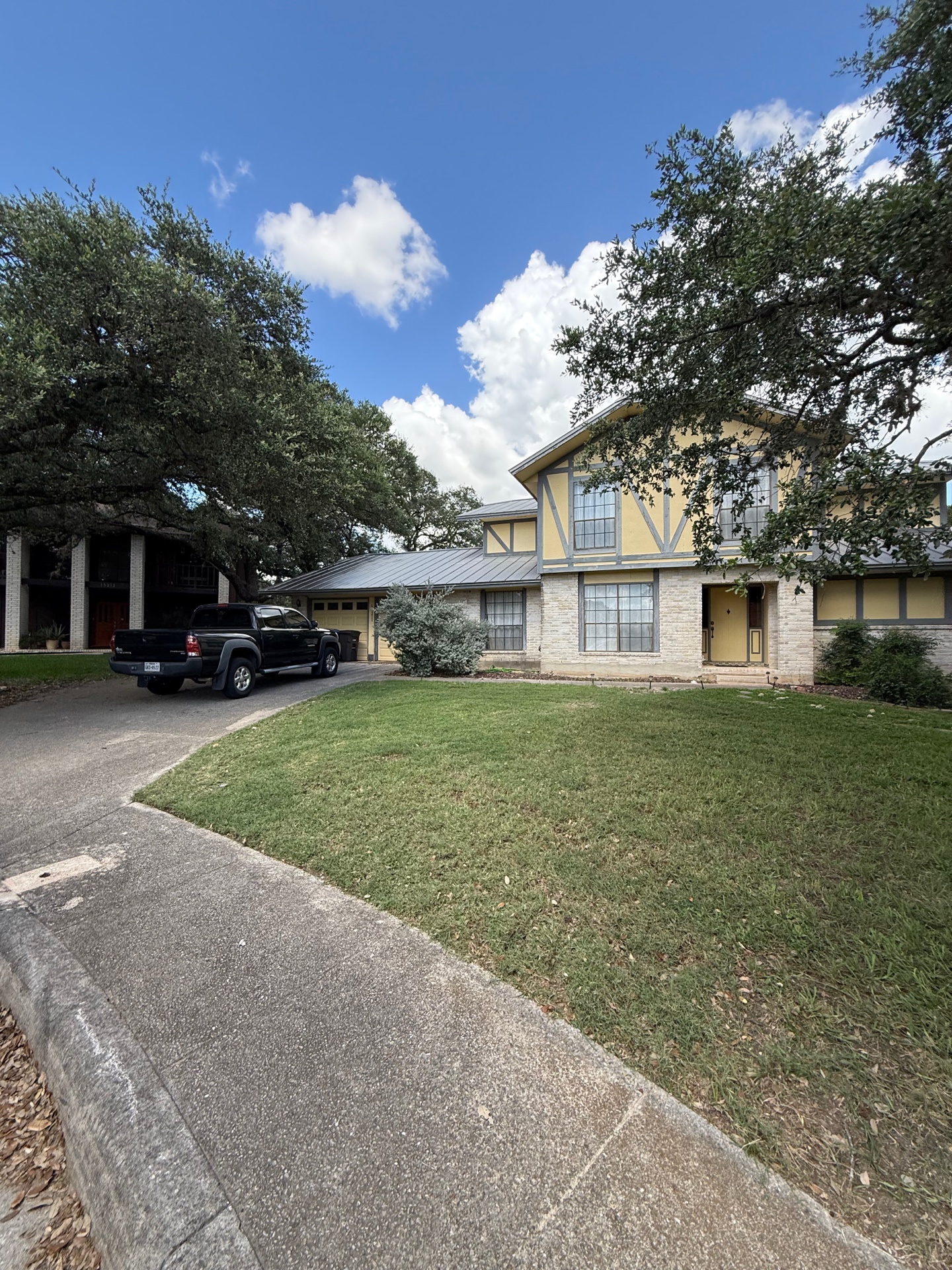
Managing irrigation in San Antonio requires balancing lush landscaping with intense summer heat, alkaline caliche soils, and strict regional water conservation rules. Property owners frequently ask whether adding a basic rain sensor or upgrading to a smart controller is the best way to optimize water usage, protect turf, and prevent costly overwatering.
Choosing the right device depends on your existing setup, how much time you want to spend adjusting timers, and how responsive your irrigation system needs to be to sudden South Texas downpours and drought periods.
Understanding San Antonio Watering Challenges
San Antonio landscapes face extreme weather fluctuations, ranging from intense summer heatwaves that bake clay and caliche soils to sudden, heavy thunderstorms that dump inches of rain in a matter of hours. Traditional irrigation timers operate on a rigid, set schedule regardless of actual weather conditions. If your system runs its standard cycle the morning after a torrential downpour, water is wasted, runoff enters storm drains, and plants can suffer from root rot.
Water conservation is also a regional priority managed by agencies like the San Antonio Water System (SAWS), which enforces seasonal watering stages and designated watering days. Staying compliant requires diligent schedule adjustments, making automated climate-responsive tools increasingly valuable for local homeowners.
How Traditional Rain Sensors Work in South Texas
A traditional rain sensor is a mechanical or electronic device wired directly to your irrigation controller. When it accumulates a preset amount of rainfall—usually between one-quarter and one-half inch—it temporarily interrupts the circuit, preventing scheduled cycles from running while the ground is already saturated.
In San Antonio, traditional rain sensors offer a straightforward, reliable, and cost-effective safeguard against watering in the rain. However, they have distinct limitations in our climate. While they stop irrigation during a storm, they do not account for evaporation rates, high winds, or dry spells that follow. During scorching July and August afternoons, soil moisture depletes rapidly, meaning a rain sensor alone will not help your controller adjust watering run times to match seasonal plant demands.
The Benefits of Smart Irrigation Controllers
Smart irrigation controllers take water management a step further by connecting to local weather stations and utilizing real-time evapotranspiration (ET) data. Instead of relying solely on physical rain interruption, smart controllers dynamically calculate how much water plants and turf actually need based on local temperature, humidity, solar radiation, and wind speed.
For San Antonio property owners, smart controllers offer several practical advantages:
Despite these advanced features, smart controllers require proper initial programming, reliable Wi-Fi signal strength at the controller box, and occasional calibration to ensure weather data aligns with microclimates in your specific neighborhood, whether you are dealing with deep oak shade or exposed southern exposure.
Choosing Between a Rain Sensor and a Smart Controller
Deciding between a rain sensor and a smart controller comes down to budget, convenience, and your current system hardware. If you have an older controller box that is difficult to program or lacks Wi-Fi connectivity, adding a hardwired or wireless rain sensor is an affordable entry point that immediately satisfies basic conservation needs.
Conversely, if you want hands-off schedule optimization, live weather responsiveness, and the ability to manage zones from your phone, upgrading to a full smart controller is a worthwhile investment. Many modern smart controllers are also compatible with existing rain sensors, providing a dual layer of protection against overwatering.
When to Call Professional Help for Your System
While basic sensor installation or controller programming can sometimes be handled by handy homeowners, diagnosing wiring issues, replacing faulty valves, or integrating complex smart devices often requires specialized tools and expertise. Property owners should note that significant irrigation modifications, backflow testing, and major plumbing adjustments typically require licensed professionals familiar with municipal codes and SAWS regulations.
If you need minor adjustments, device troubleshooting, or general landscape improvements handled around your property, professional assistance ensures everything operates correctly without damaging your turf or risking compliance fines. For smaller exterior projects and yard upkeep, reaching out to dependable local teams like Recover Landscape can help streamline property maintenance.
Frequently Asked Questions
Do rain sensors and smart controllers comply with San Antonio water rules?
Both devices help you avoid violations by preventing unnecessary watering during rain events. However, regulations and watering stages set by SAWS change frequently. Always review current guidelines on official municipal websites to ensure your schedule matches active drought restrictions.
Can I install a smart controller on an old irrigation system?
In most cases, yes. Most standard residential irrigation valves operate on 24-volt power, making them compatible with major smart controller brands. Always check terminal compatibility and wiring diagrams before purchasing hardware.
Will a smart controller completely eliminate my water bill?
No. While smart controllers significantly reduce waste by skipping unnecessary cycles, your landscaping still requires adequate hydration to survive South Texas summers, especially under mature oak trees that compete for moisture.
Ready to enhance your outdoor space? Explore our [Small Jobs](/services/small-jobs) service to see how we can assist with your property upkeep needs.
Related Services
See Real Project Results
Explore documented before-and-after work from Recover Landscape projects in the San Antonio area.
Ready to Get Started?
Recover Landscape serves San Antonio and surrounding areas. Call or text Peyton directly for a free estimate.
Call 817-484-8835