The One-Third Rule for Mowing: Why Your San Antonio Lawn Turns Brown After a Cut
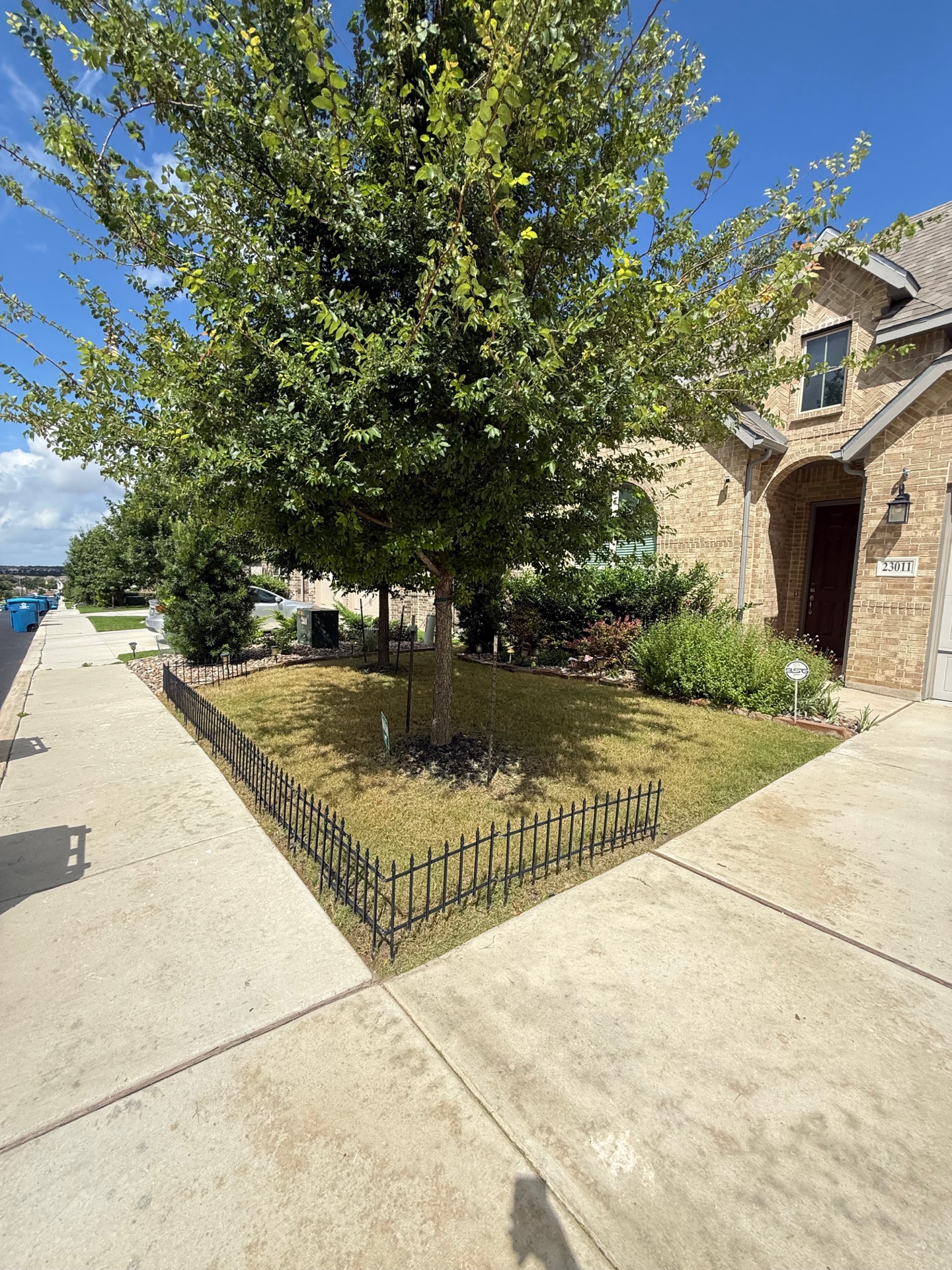
When San Antonio homeowners step back to admire a freshly mown lawn, the last thing they expect to see is a sea of brown, straw-colored grass. Yet, it is a common frustration across South Texas: a yard that looked green and lush before cutting suddenly appears scorched and faded hours later. While many assume their mower is at fault, the underlying issue is usually the violation of a fundamental agronomic guideline known as the one-third rule.
Understanding the One-Third Rule for Healthy Turf
The one-third rule is a straightforward guideline governing how much vertical growth you can safely remove during a single mowing session. To maintain healthy roots and a vibrant green canopy, you should never cut away more than one-third of the total grass blade's height at one time. For instance, if your Bermuda or St. Augustine lawn is maintained at three inches, you should mow before it reaches four and a half inches.
In the unique climate of San Antonio and the surrounding Hill Country, adhering to this rule is critical. Local lawns contend with scorching summer heat, intense sun exposure, and challenging caliche soils that limit root depth. When you remove too much of the grass blade at once, you subject the plant to severe physiological stress precisely when it is already working hard to survive environmental extremes.
The Science Behind Post-Mowing Browning and Shock
Grass blades are the solar panels of the plant, capturing sunlight and converting it into energy through photosynthesis. When you violate the one-third rule and scalp the lawn, you abruptly strip away the green photosynthetic surface area. This forces the grass to expend its stored carbohydrate reserves simply to regrow basic foliage rather than supporting a deep root system.
Furthermore, when grass grows too tall between cuts, the lower portions remain shaded and retain a lighter, yellowish color known as the pseudostem. Mowing off the top two-thirds exposes these pale lower stems to direct sunlight, heat, and drying winds. In San Antonio's high-temperature environment, this sudden exposure causes immediate desiccation and browning.
Common Mowing Pitfalls in South Texas
Beyond cutting too much height at once, several other factors exacerbate post-mowing browning in South Texas landscapes. Operating with dull mower blades is a leading culprit. Instead of making a clean shear across the grass blade, a dull blade tears the tissue, leaving ragged, frayed brown tips that dry out rapidly under the midday sun.
Irregular mowing schedules also contribute heavily. Letting grass grow unchecked during spring peak growth and trying to cut it back in a single pass guarantees scalp damage. Additionally, mowing during the heat of the day worsens moisture loss. When adjusting watering routines to help stressed turf recover, always check current San Antonio Water System (SAWS) guidelines and municipal watering restrictions, as regulations change frequently.
Best Practices for Mowing and Lawn Recovery
Protecting your San Antonio lawn from post-mowing shock requires a few adjustments. First, raise your mowing height slightly during peak summer months to provide natural shade to the soil and reduce root zone temperatures. Taller turf also encourages deeper root penetration, which is vital for enduring dry spells and shallow caliche conditions.
Second, sharpen your mower blades frequently during the active growing season. Clean cuts heal rapidly and minimize moisture loss. Third, always mow when the grass is dry and during cooler morning or evening hours to minimize physical stress on the turf.
When to Seek Professional Support
Maintaining a resilient, vibrant lawn through San Antonio's unpredictable weather can be demanding. If your turf is struggling with persistent browning or uneven growth, professional intervention can help restore its health. Recover Landscape offers dependable lawn care services tailored to keep your property looking its best. Please note that for irrigation system installation, complex repairs, or specialized watering regulations, homeowners should always verify current SAWS standards and consult a licensed professional.
Frequently Asked Questions
Why do the tips of my grass blades turn white or brown after mowing?
This is typically caused by dull mower blades that tear the grass tissue instead of cutting it cleanly. The frayed edges dry out and bleach in the sun, creating a brownish cast across the lawn.
Should I collect grass clippings or leave them on the lawn?
In most cases, leaving clean, fine clippings on the lawn (grasscycling) is beneficial because they decompose quickly and return valuable nutrients to the soil. However, if the grass has grown too tall and left heavy clumps, removing them is necessary to prevent smothering the turf.
How can I help my lawn recover from heat and mowing stress?
Ensure your lawn receives adequate hydration while strictly adhering to current SAWS watering restrictions and local drought management rules. Proper seasonal fertilization and avoiding heavy traffic on stressed turf will also support steady recovery.
Professional Lawn Care Tailored to San Antonio
Keeping your property pristine requires consistent attention and the right techniques for local conditions. To explore professional assistance for your outdoor spaces, discover our comprehensive [Lawn Care Services](/services/lawn-care) and let Recover Landscape help you maintain a healthy, beautiful yard season after season.
Related Services
See Real Project Results
Explore documented before-and-after work from Recover Landscape projects in the San Antonio area.
Ready to Get Started?
Recover Landscape serves San Antonio and surrounding areas. Call or text Peyton directly for a free estimate.
Call 817-484-8835