Mulch vs. Rock: Choosing the Best Ground Cover for San Antonio Landscapes
Mulch vs. Rock: Choosing the Best Ground Cover for San Antonio Landscapes
Deciding between organic mulch and decorative rock for landscape beds in San Antonio depends on how your yard handles intense summer heat, alkaline caliche soil, and local water conservation needs. For most South Texas homeowners, the ideal choice comes down to balancing moisture retention, weed suppression, and long-term soil health against durability and aesthetic preference.
Understanding San Antonio Climate and Soil Pressures
San Antonio summers bring prolonged triple-digit temperatures and intense sun exposure that can quickly dry out uncovered garden beds. At the same time, much of the local area features heavy clay or rocky caliche soil that bakes hard during dry spells. Ground cover plays a vital role in insulating plant root zones, regulating soil temperatures, and preventing erosion during sudden downpours. Whether you select shredded hardwood mulch or stone, each material interacts with the local environment differently.
Organic Mulch: Moisture Retention and Soil Health
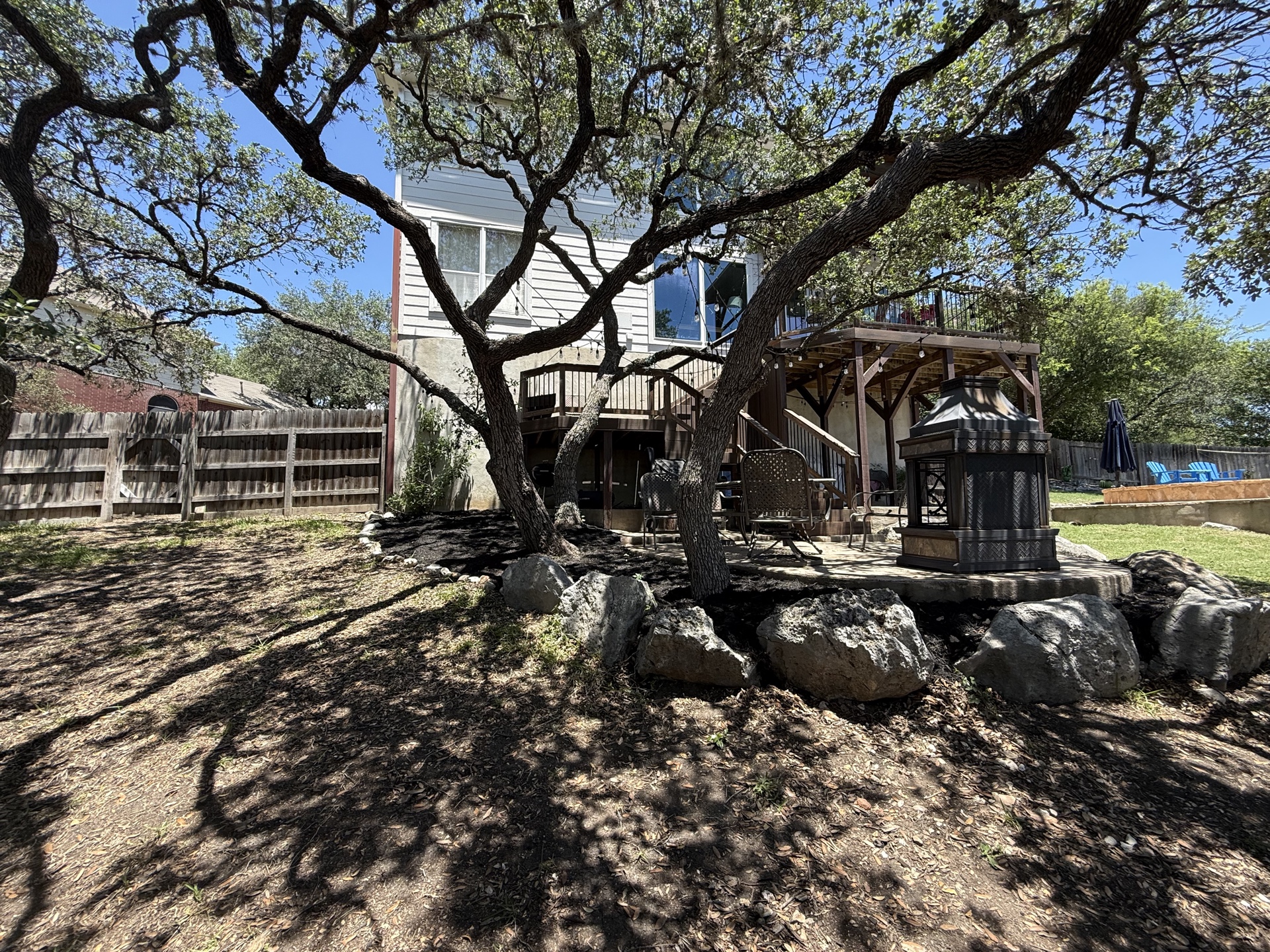
Organic mulches, such as shredded cedar, hardwood, or native compost blends, provide exceptional benefits for Texas landscapes. As organic matter breaks down slowly under oak trees and in perennial beds, it enriches the soil with essential nutrients, improving microbial activity and soil structure. In San Antonio's arid climate, organic mulch acts as a protective blanket that significantly reduces moisture evaporation from the root zone, helping plants survive summer heat stress. Furthermore, organic mulch is generally more forgiving around sensitive root systems and offers a softer, natural aesthetic beneath mature live oaks and foundational shrubs.
However, organic mulch does require periodic replenishment. Heavy spring rains and high winds can displace lightweight wood chips, and decomposition means beds typically need a fresh topdressing once or twice a year.
Rock and Stone: Durability and Low Maintenance
Decorative rock, decomposed granite, river rock, or limestone gravel offer unmatched longevity in South Texas yards. Unlike wood chips, stone does not decompose, blow away easily, or require annual replacement. For homeowners seeking a clean, permanent look that resists weed growth when paired with a quality commercial-grade weed barrier, rock is a durable option. Stone is also non-combustible, making it a practical consideration for defensible space around structures in Hill Country-adjacent zones.
The primary drawback of rock in San Antonio is heat retention. Darker stones and dense gravel absorb solar radiation during scorching afternoons and radiate heat back onto nearby plants and building foundations. This increased thermal stress can dry out shallow-rooted shrubs faster if irrigation is not properly adjusted. When planning irrigation systems around rock beds or lawns, homeowners should consult current San Antonio Water System (SAWS) guidelines and verify that all installations comply with municipal watering restrictions and licensed professional requirements.
Cost, Upkeep, and Aesthetic Balance
Evaluating cost involves looking beyond initial installation expenses. Organic mulch has a lower upfront cost and actively improves soil quality over time, but ongoing replenishment adds recurring labor or material expenses. Rock requires a higher initial investment for delivery, grading, and heavy lifting, but maintenance drops significantly after installation. Many San Antonio property owners find success by combining both materials: using organic mulch within perennial and vegetable gardens where soil enrichment is critical, and reserving rock for dry creek beds, high-traffic pathways, or architectural border accents.
Frequently Asked Questions
Which option is better for water conservation in San Antonio?
Both options help conserve water by reducing surface evaporation compared to bare soil. Organic mulch excels at retaining root-zone moisture, while rock prevents runoff during heavy rains. Combining efficient drip irrigation with proper ground cover maximizes water savings under SAWS guidelines.
Will rock cause plants to overheat during summer?
Dense rock can absorb and radiate significant heat during hot South Texas afternoons. Selecting lighter-colored limestone gravel and maintaining adequate spacing around sensitive root zones helps mitigate thermal stress on foundation plants.
How often does organic mulch need to be replaced?
In San Antonio, organic mulch typically breaks down within twelve to eighteen months due to heat and microbial activity. Adding a fresh one-to-two-inch layer once a year keeps beds looking neat and maintains soil moisture benefits.
Professional Landscape Bed Installation
Transforming your outdoor living space with the right ground cover requires careful preparation, grading, and material selection tailored to South Texas conditions. If you want to eliminate guesswork and achieve a polished, durable finish for your property, professional guidance makes all the difference. For expert support tailored to your yard, explore our professional [Mulch Installation](/services/mulch-installation) services today.
Related Services
See Real Project Results
Explore documented before-and-after work from Recover Landscape projects in the San Antonio area.
Ready to Get Started?
Recover Landscape serves San Antonio and surrounding areas. Call or text Peyton directly for a free estimate.
Call 817-484-8835