Can I Mix Different Types of Grass in One Yard? What San Antonio Homeowners Should Know
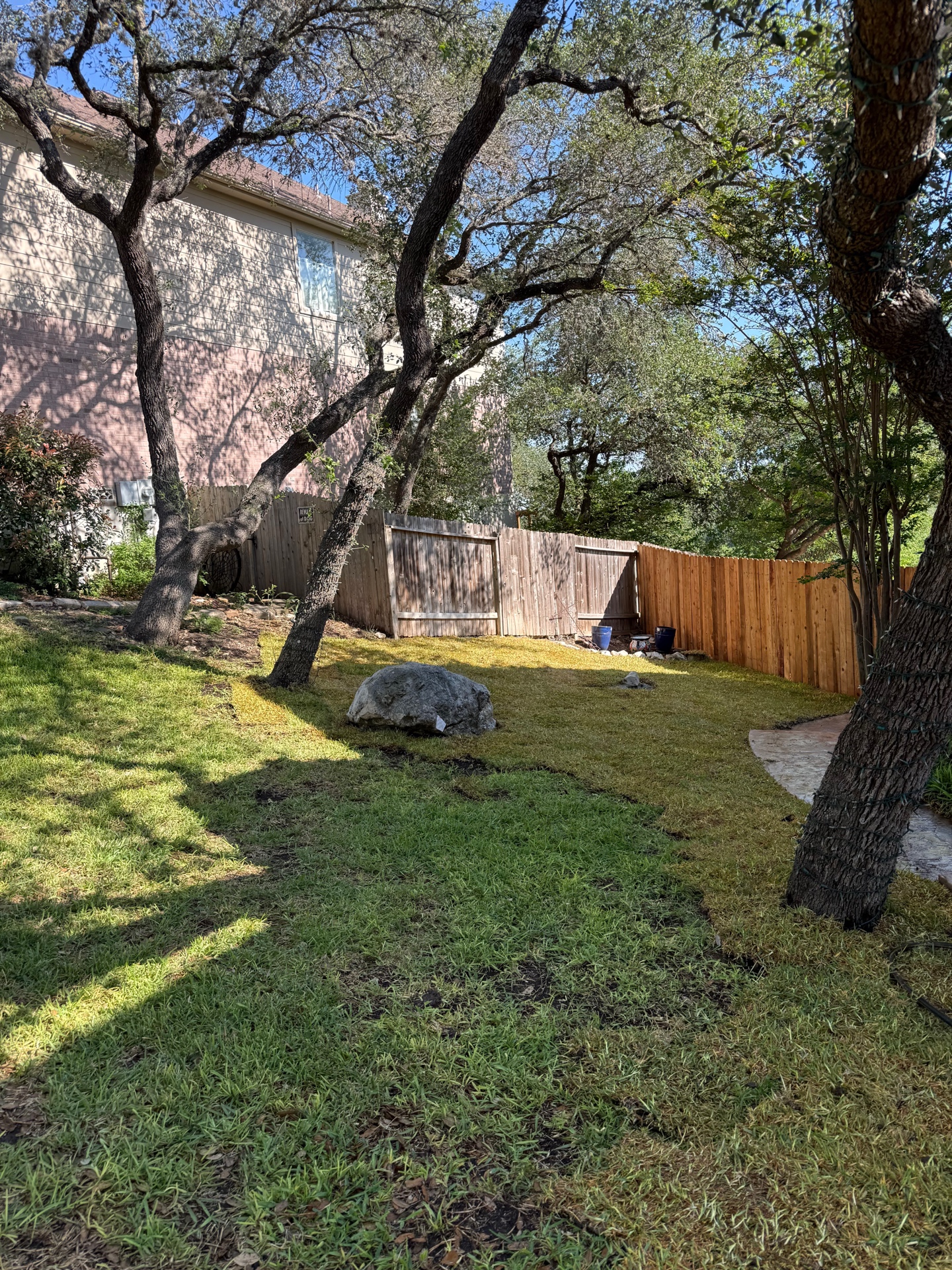
When homeowners in San Antonio look out over patchy lawns struggling with intense summer heat, caliche soil, or dense oak shade, the temptation to toss down a different seed or patch in a new sod variety is entirely understandable. Yet, mixing different types of grass in a single residential yard introduces significant agronomic and aesthetic challenges. Understanding how warm-season grasses compete can save you from an uneven, patchy landscape that requires complex maintenance.
The Dynamics of Turfgrass Competition in South Texas
San Antonio lawns primarily rely on warm-season grasses such as St. Augustine, Bermuda, and Zoysia. Each of these species has evolved distinct growth habits, root depths, and survival mechanisms. When planted side by side without physical barriers, these grasses do not peacefully coexist. Instead, they engage in a relentless turf war for sunlight, water, and soil nutrients.
Aggressive spreaders like common or hybrid Bermuda grass possess rapid stolons and rhizomes that easily invade neighboring turf areas. If you patch a thinning St. Augustine lawn with Bermuda sod or seed, the Bermuda will frequently outcompete the St. Augustine over time, creeping into flower beds and overtaking the slower-growing blades. Conversely, putting shade-tolerant St. Augustine into a sun-baked Bermuda lawn usually results in the St. Augustine withering under the intense solar radiation and water scarcity typical of Central and South Texas summers.
Comparing San Antonio Turfgrass Varieties
To understand why mixing grasses often leads to visual inconsistency and management headaches, it helps to examine the core traits of the primary warm-season grasses used across the San Antonio region.
| Grass Variety | Primary Growth Habit | Sun & Shade Tolerance | Maintenance & Mowing Needs |
|---|---|---|---|
| St. Augustine | Thick above-ground stolons (runners) | Moderate to high shade; moderate sun | Moderate to high water; regular mowing |
| Bermuda | Aggressive runners and underground rhizomes | Full sun required; poor shade tolerance | High sun and drought resilient; frequent mowing |
| Zoysia | Dense sod-forming stolons and rhizomes | Good light tolerance; moderate shade tolerance | Moderate water; dense carpet requiring sharp blades |
Because mowing heights, fertilizer requirements, and herbicide sensitivities vary dramatically among these species, maintaining a mixed lawn creates a management dilemma. For example, a mowing height ideal for St. Augustine can scalp Bermuda, while weed control products safe for one grass may severely damage another.
Soil Realities and Irrigation Considerations
San Antonio landscapes present unique environmental hurdles, from heavy alkaline clay and shallow caliche subsoils to severe seasonal droughts. Soil preparation and moisture availability dictate turf survival far more than casual mixing. When different grass types are forced to share the same root zone, their conflicting water demands complicate irrigation scheduling.
Furthermore, municipal water conservation policies across Bexar County and surrounding areas require strict adherence to seasonal watering schedules. Property owners should consult the San Antonio Water System (SAWS) guidelines for current watering restrictions and drought response levels. If irrigation system adjustments or installations are required to support specialized turf zones, property owners must ensure all work complies with local municipal codes and is performed in accordance with licensed-professional regulations, as rules regarding backflow prevention and irrigation connections change frequently.
Managing Patchy Lawns Without Mixing Species
Rather than introducing a second or third grass variety into an existing lawn, the most sustainable approach is to reinforce the dominant turf type. If shade is thinning out a sun-loving grass, pruning lower oak tree branches to filter in more sunlight or transitioning the deep shade zone to mulch, native ground cover, or shade-adapted landscaping beds often yields better results than planting incompatible grass seed.
When large dead spots appear due to grub damage, disease, or extreme weather, matching the replacement sod exactly to the surrounding turf ensures uniform color, texture, and growth rate. Consistency across the lawn simplifies seasonal fertilization, aeration, and mowing routines while enhancing overall curb appeal.
Frequently Asked Questions
Can I overseed my St. Augustine lawn with Bermuda grass for winter color?
Overseeding warm-season lawns with temporary cool-season grasses like annual ryegrass is common, but mixing permanent warm-season grasses like Bermuda into St. Augustine is discouraged. The permanent Bermuda will establish roots and gradually choke out the St. Augustine during the growing season.
Why do patches of wild grass appear in my established San Antonio yard?
Unwanted grasses like rescue grass, Dallisgrass, or Johnson grass often invade through windblown seeds, bird droppings, or contaminated topsoil. Proper pre-emergent herbicide application and consistent hand-pulling are more effective than trying to blend them into your turf design.
How do I fix large dead areas in my lawn without creating a mismatched patchwork?
The best method is to source matching sod plugs or small sod slabs from a reputable local nursery. Cut out the dead turf cleanly, amend the underlying soil if necessary, and lay the matching sod, ensuring frequent initial watering during establishment.
Professional Sod Installation and Lawn Advice
Achieving a healthy, uniform lawn in the Texas Hill Country requires understanding local soils, microclimates, and turf biology. If your yard suffers from severe thinning, uneven patches, or struggling turf, professional evaluation can determine whether targeted renovation or complete sod replacement is the most practical solution. For homeowners looking to revitalize their outdoor spaces with proper turf selection and expert installation, explore our professional [Sod Installation](/services/sod-installation) services to get started on a resilient, beautiful lawn.
Related Services
See Real Project Results
Explore documented before-and-after work from Recover Landscape projects in the San Antonio area.
Ready to Get Started?
Recover Landscape serves San Antonio and surrounding areas. Call or text Peyton directly for a free estimate.
Call 817-484-8835