Smart Low-Water Landscaping Ideas for San Antonio Homes
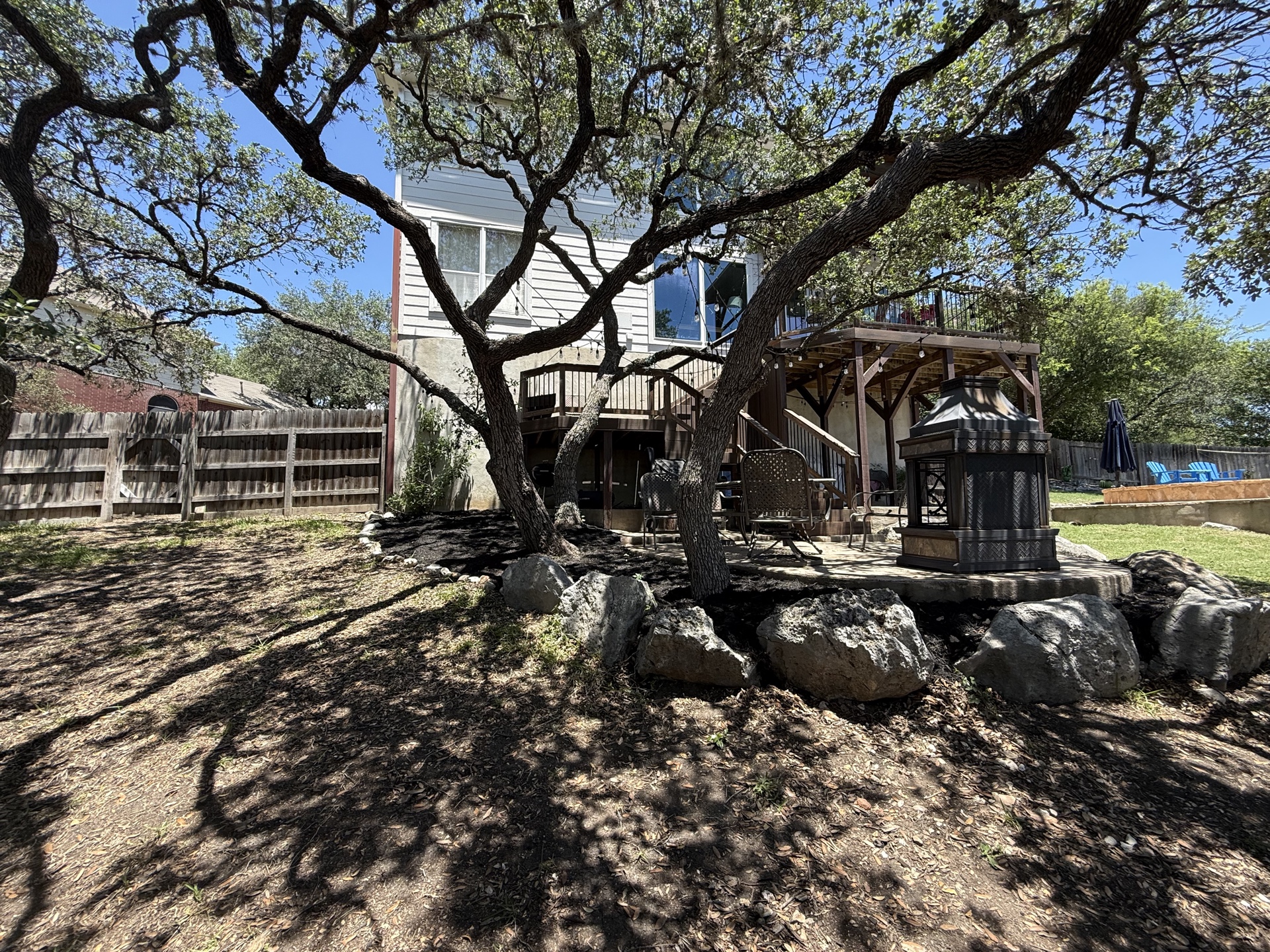
When summer temperatures climb across South Texas and rainfall becomes scarce, maintaining a vibrant yard can feel like an uphill battle. San Antonio homeowners face unique environmental challenges, from dense caliche soil and heavy oak shade to strict seasonal water conservation stages. Transitioning toward a thoughtful, low-water landscape design offers a resilient solution that cuts down on utility bills and reduces yard maintenance while keeping your residential property looking immaculate year-round.
Embracing Drought-Tolerant Native Plants
The foundation of any successful low-water landscape in San Antonio relies on selecting plants adapted to our regional climate. Native and adapted species have evolved to withstand prolonged dry spells and intense summer heat without constant irrigation. Incorporating perennials, ornamental grasses, and structural shrubs creates layered texture and seasonal interest. Plants such as sage, lantana, Texas mountain laurel, Esperanza, and various ornamental muhly grasses thrive in our local environment once established, enduring harsh conditions with remarkable resilience.
When planning your layout, group plants with similar moisture needs together—a practice known as hydrozoning. This ensures that thirsty plants do not receive excess water while drought-hardy specimens receive just enough to flourish. By aligning your planting zones with your property’s natural microclimates, such as sunny open slopes versus deep oak shade beneath mature live oaks, you maximize water efficiency and overall plant health.
Enhancing Soil Health and Mulching Effectively
San Antonio yards frequently contend with shallow soil layers over dense caliche limestone, which can stunt root development and dry out rapidly during dry months. Improving soil structure through organic compost enrichment helps retain essential moisture while promoting beneficial microbial activity. Healthy soil acts as a natural sponge, buffering plants against temperature extremes and reducing plant stress.
Applying a generous layer of organic mulch across garden beds acts as a vital thermal blanket. Mulch moderates soil temperatures, suppresses weeds that compete for valuable soil moisture, and significantly reduces surface evaporation. Replenishing hardwood mulch annually ensures your beds remain protected against the scorching South Texas sun while steadily improving soil organic matter over time.
Designing Functional Hardscapes and Permeable Surfaces
Reducing water consumption does not mean sacrificing visual appeal or outdoor usability. Integrating natural stone pathways, flagstone patios, dry creek beds, and gravel accents breaks up expansive turf areas and adds architectural character to your property while eliminating thirsty grass zones that demand constant watering.
Dry creek beds serve a dual purpose: they create a striking visual element that mimics natural Hill Country drainage while helping guide stormwater runoff effectively across your landscape during rare heavy downpours. Permeable hardscapes allow rainwater to infiltrate the ground naturally rather than running off into municipal storm drains, supporting sustainable watershed health across the region.
Managing Irrigation and Professional Maintenance
While low-water landscapes dramatically decrease irrigation demands, establishing new plantings and keeping mature beds healthy still requires careful watering strategies. When installing new irrigation systems or modifying existing layouts, homeowners should always consult current San Antonio Water System (SAWS) guidelines and verify that work complies with municipal regulations and licensed professional requirements, as water restrictions change frequently.
For specialized irrigation installation or complex plumbing modifications, partnering with licensed irrigation professionals ensures compliance and efficiency. For ongoing upkeep, seasonal pruning, and expert care tailored to your outdoor space, professional landscape maintenance keeps your yard thriving without the guesswork.
Frequently Asked Questions
What are the best low-water plants for San Antonio?
Texas native and adapted plants such as Texas sage, purple coneflower, red yucca, autumn sage, and Gulf muhly grass thrive in San Antonio soils and withstand extreme summer heat with minimal supplemental watering.
How does caliche soil affect low-water landscaping?
Caliche is a dense, alkaline layer of calcium carbonate found beneath topsoil in many South Texas areas. Breaking up compacted spots, adding organic compost, and selecting plants tolerant of alkaline, well-draining soil prevents root rot and drought stress.
Do low-water landscapes require zero maintenance?
While significantly more drought-resistant than traditional turf lawns, low-water landscapes still require periodic weeding, seasonal trimming, mulch replenishment, and monitoring of irrigation systems to look their best.
Transform your San Antonio outdoor space into a resilient, water-wise sanctuary. Partnering with experienced professionals ensures that every design element, from native plantings to sustainable mulch layers, harmonizes perfectly with the South Texas climate. Contact Recover Landscape today to explore professional landscape maintenance services tailored specifically to your residential property.
Related Services
See Real Project Results
Explore documented before-and-after work from Recover Landscape projects in the San Antonio area.
Ready to Get Started?
Recover Landscape serves San Antonio and surrounding areas. Call or text Peyton directly for a free estimate.
Call 817-484-8835