San Antonio Watering Restrictions: What You Need to Know for Your Lawn
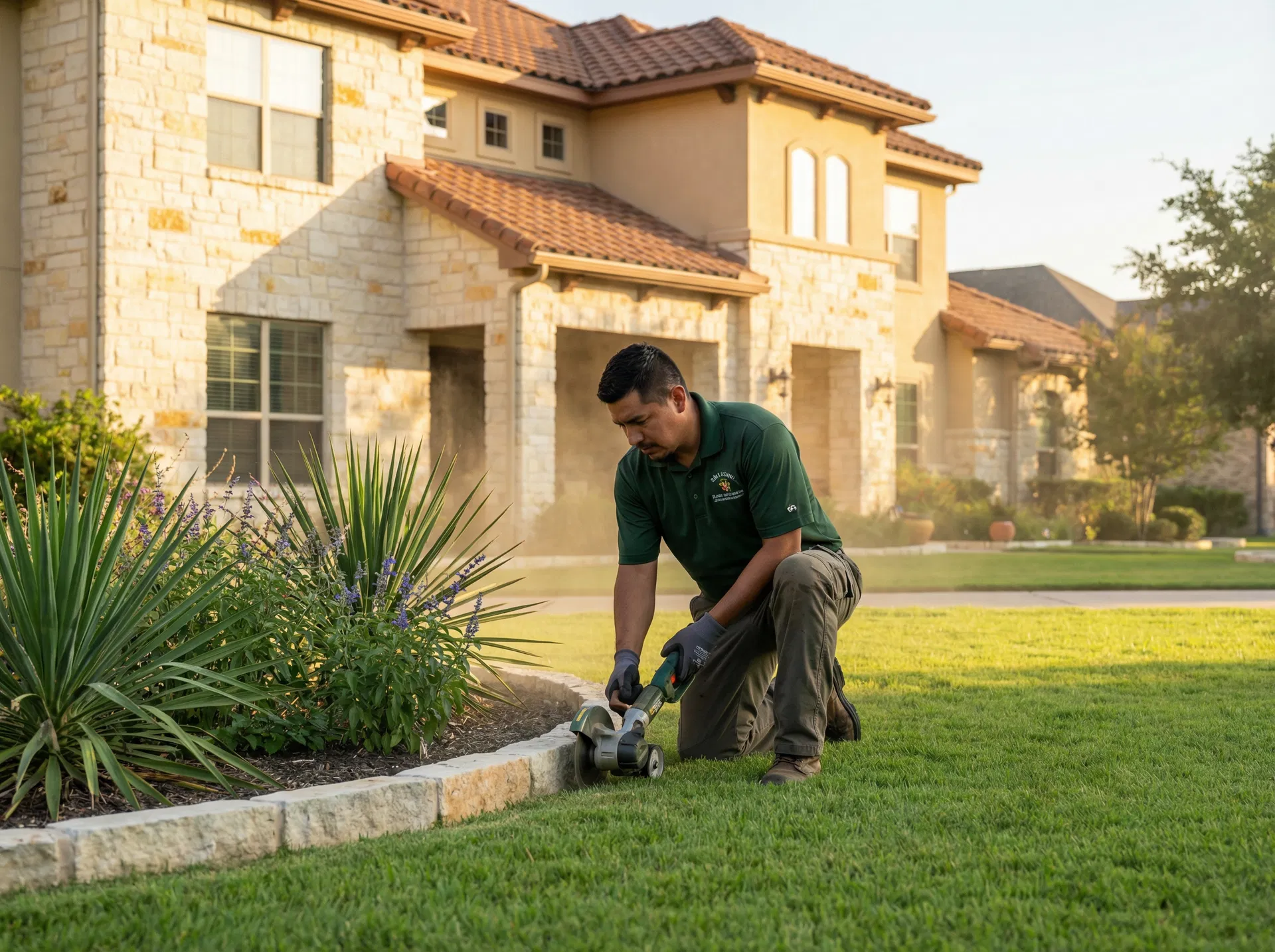
Hey folks, Peyton here from Recover Landscape. If you live in San Antonio, you know our summers can be brutal. Keeping a lush, green lawn is a point of pride for many of us, but it also means being smart about how we use water. That's where the San Antonio Water System (SAWS) watering restrictions come in. They're not just a set of rules; they're a vital part of conserving our precious water resources, especially during those long, dry spells.
I get a lot of questions about these restrictions, and it can feel a bit confusing trying to keep up with what's allowed and what's not. So, I wanted to put together a straightforward guide to help you understand the different stages, find your watering day, and most importantly, keep your lawn looking its best without breaking any rules or wasting water.
Understanding SAWS Watering Restrictions: Why They Matter
SAWS implements watering restrictions to manage our water supply, particularly during drought conditions. Our water comes from the Edwards Aquifer, and its levels fluctuate. By following these restrictions, we all play a part in ensuring a sustainable water future for San Antonio and surrounding areas like Stone Oak, Helotes, and Boerne. It's about being good stewards of our resources.
Stage 1 vs. Stage 2 vs. Stage 3: What's the Difference?
The restrictions are categorized into stages, with each stage becoming progressively stricter as drought conditions worsen. Knowing the differences is key to staying compliant and keeping your lawn hydrated appropriately.
| Feature | Stage 1 (Drought Watch) | Stage 2 (Drought Alert) | Stage 3 (Drought Warning) |
|---|---|---|---|
| Watering Days | Once every two weeks, based on address | Once every two weeks, based on address | Once every three weeks, based on address |
| Watering Hours | 7 AM - 11 AM & 7 PM - 11 PM | 7 AM - 11 AM & 7 PM - 11 PM | 7 AM - 11 AM & 7 PM - 11 PM |
| Hand Watering | Any day, any time | Any day, any time | Any day, any time |
| Drip Irrigation | Any day, any time | Any day, any time | Any day, any time |
| Foundations | Any day, any time | Any day, any time | Any day, any time |
| Car Washing | Any day, any time with a hose with automatic shut-off | Any day, any time with a hose with automatic shut-off | Any day, any time with a hose with automatic shut-off |
Stage 1 (Drought Watch): This is usually the first step when aquifer levels start to drop. You're allowed to water your lawn with a sprinkler or irrigation system once every two weeks on your assigned day, during specific morning and evening hours. Hand watering is still permitted any time.
Stage 2 (Drought Alert): If conditions worsen, we move to Stage 2. The core rules for sprinklers remain the same – once every two weeks on your assigned day during the designated hours. The main difference often comes with stricter enforcement and public awareness campaigns. It's a clear signal that we need to be extra vigilant.
Stage 3 (Drought Warning): This is when things get serious. Watering with sprinklers or irrigation systems is typically reduced to once every three weeks on your assigned day. This stage emphasizes the critical need for water conservation, and you'll see a lot more focus on efficient watering practices.
How Do I Find My Assigned Watering Day?
This is one of the most common questions I get. SAWS assigns watering days based on the last digit of your street address. It's pretty straightforward:
So, if you live at 123 Main Street, your assigned day would be Tuesday. If you're in a neighborhood like Alamo Heights or Shavano Park, this system applies to you too.
How Can I Keep My Lawn Alive on Restrictions?
It's tough, but not impossible! Here are some tips I share with my clients in Leon Valley, Converse, and across Bexar County:
1. Water Deeply, Not Frequently: When you do water, make it count. A deep, slow watering encourages roots to grow deeper, making your lawn more drought-resistant. Aim for about 1 inch of water per session.
2. Mow Higher: Set your mower blades higher (3-4 inches). Taller grass shades the soil, reducing evaporation and keeping the roots cooler.
3. Mulch, Mulch, Mulch: For flowerbeds and around trees, a good layer of mulch (2-4 inches) dramatically reduces water loss from the soil.
4. Check for Leaks: A leaky sprinkler head or irrigation line can waste hundreds of gallons. Regularly inspect your system.
5. Aerate Your Lawn: Core aeration helps water penetrate the soil more effectively, especially in compacted San Antonio soils.
What's the Best Time of Day to Water My Lawn?
This is crucial. The best time to water your lawn is early in the morning, between 7 AM and 11 AM. Watering during these cooler hours minimizes evaporation, allowing more water to reach the roots. Watering in the evening (7 PM - 11 PM) is also allowed, but watering too late can leave moisture on the grass overnight, potentially leading to fungal diseases. Avoid watering midday when the sun is strongest and evaporation rates are highest.
Is Drip Irrigation Exempt from SAWS Restrictions?
Yes, generally drip irrigation and soaker hoses are exempt from the assigned day and time restrictions. This is because these methods deliver water directly to the plant's root zone, minimizing waste from evaporation and runoff. They are highly efficient and encouraged for landscape beds, trees, and shrubs. Just make sure your system is well-maintained and not leaking.
What Happens If You Water on the Wrong Day?
SAWS takes these restrictions seriously because water conservation is vital for our community. If you're caught watering on the wrong day or outside the designated hours, you could face fines. Typically, it starts with a warning, but repeat offenses can lead to significant penalties. It's always better to be safe and stick to your assigned schedule.
How to Tell if Your Lawn is Stressed vs. Dormant Under Restrictions
This is a common concern. A stressed lawn will show signs like a dull, bluish-gray color, and footprints will remain visible for a while after you walk across it. The grass blades might also curl or wilt. This means it needs water.
A dormant lawn, on the other hand, is a natural survival mechanism. During prolonged drought and heat, some grass types (like Bermuda or St. Augustine, common in Terrell Hills and Castle Hills) will turn brown and stop growing to conserve energy. While it looks dead, the crown and roots are still alive. A dormant lawn will usually bounce back once cooler weather and rain return. The key difference is that a dormant lawn will have a uniform brown color, while a stressed lawn might have patches of green mixed with browning or wilting.
Frequently Asked Questions About San Antonio Watering Restrictions
Here are some more questions I often hear, answered directly:
Need Help Managing Your Lawn Through Restrictions?
Navigating SAWS watering restrictions can be a challenge, but keeping your lawn healthy and vibrant is still possible. If you're in San Antonio, Stone Oak, Helotes, Leon Valley, Alamo Heights, Terrell Hills, Castle Hills, Shavano Park, Boerne, New Braunfels, Schertz, Converse, or anywhere in Bexar County, and need a hand with your landscaping or handyman needs, don't hesitate to reach out.
At Recover Landscape, we're experts in creating and maintaining beautiful outdoor spaces, even under tough conditions. Give me, Peyton, a call at 817-484-8835 or visit our website at recoverlandscape.com. We'd be happy to help you keep your yard looking its best, no matter the watering stage!
Related Services
See Real Project Results
Explore documented before-and-after work from Recover Landscape projects in the San Antonio area.
Ready to Get Started?
Recover Landscape serves San Antonio and surrounding areas. Call or text Peyton directly for a free estimate.
Call 817-484-8835