How to Improve Caliche Soil for Healthy Grass and Plants in San Antonio
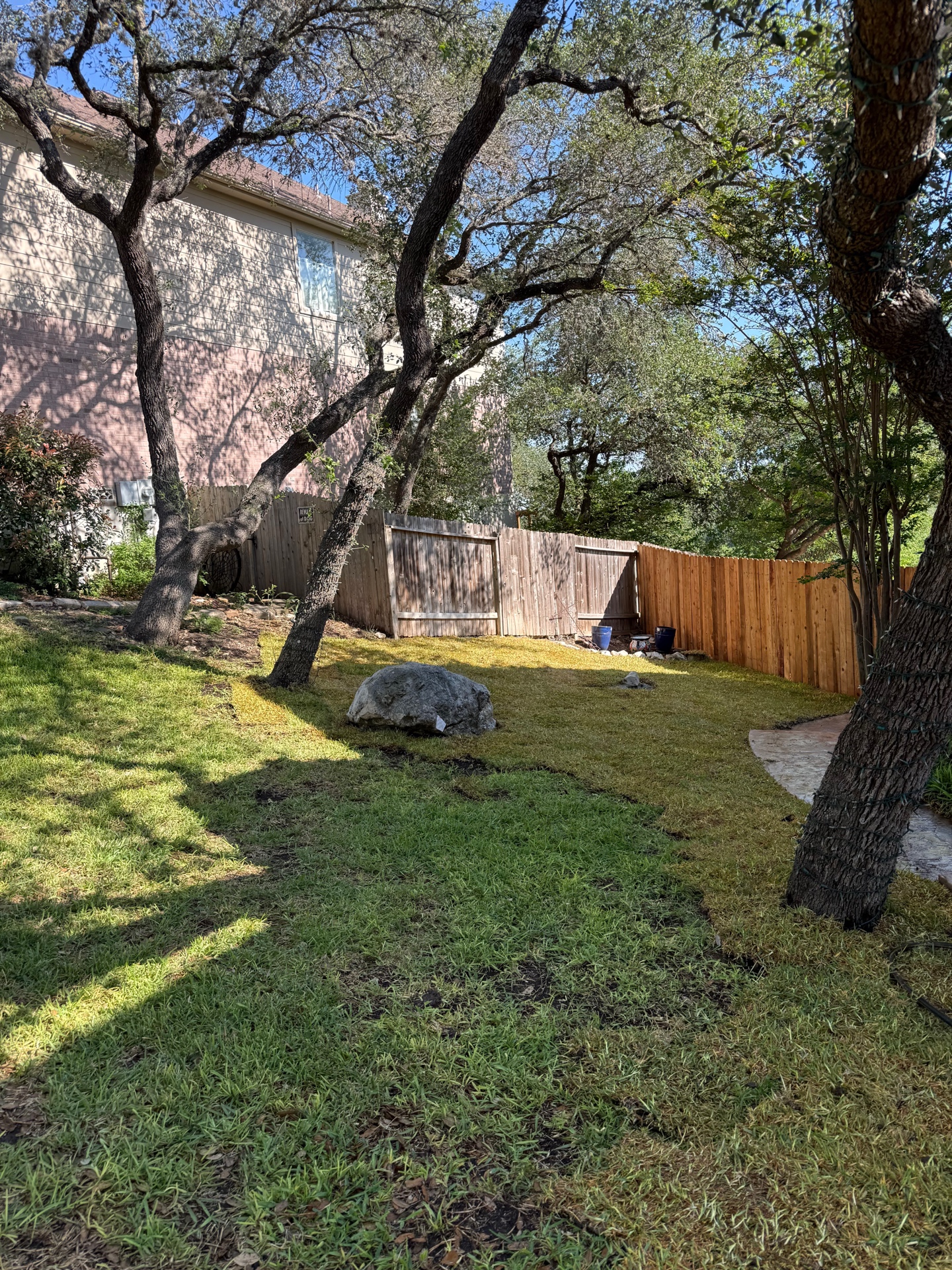
Improving caliche soil in San Antonio requires patience, mechanical aeration or excavation, and strategic organic top-dressing rather than trying to dig through solid calcium carbonate hardpan. Across San Antonio, the Texas Hill Country, and parts of South Texas, homeowners frequently encounter caliche—a pale, cement-like subsoil layer formed by the precipitation of calcium carbonate. This dense layer restricts root growth, impedes proper drainage, and creates severe challenges during scorching summer months when dry caliche bakes as hard as brick. Successfully establishing turfgrass and landscape plants in these conditions means working with the soil profile rather than fighting it head-on.
Understanding San Antonio Caliche Soil and Its Challenges
Caliche is not technically a true soil type; it is a subsurface layer cemented together by lime. In many residential developments across North San Antonio, Stone Oak, and the Hill Country fringes, grading and construction scrape away the thin native topsoil, exposing stark white or pale gray caliche near the surface.
This creates two opposing problems: during heavy rainstorms, water puddles because the hardpan blocks downward percolation; during prolonged summer droughts, the caliche layer dries out completely, locking moisture away from plant roots and causing turf to stress rapidly. Furthermore, caliche is naturally alkaline, which can lock up essential micronutrients like iron, leading to chlorosis (yellowing leaves) in susceptible trees and shrubs.
Assessing Your Yard and Native Conditions
Before laying new sod or planting ornamental beds, you must evaluate the depth of your topsoil layer. Use a sturdy metal probe or a sharp shovel to test how deep the soil goes before hitting the hardpan. If you have less than four to six inches of workable topsoil over caliche, root systems will struggle to anchor or access moisture during heat waves.
It is also wise to observe how your yard reacts to rainfall. Notice where water pools or where soil bakes into a crust. Understanding your specific microclimate—such as heavy oak shade in older North Central neighborhoods versus blazing sun in newer West or South San Antonio subdivisions—will guide your amendment strategy and plant selection.
Proven Methods to Amend and Improve Caliche Subsoil
Trying to rototill solid caliche is rarely effective and will quickly damage equipment. Instead, successful soil improvement relies on a tiered approach:
Incorporating rich organic matter is essential because native caliche lacks organic carbon. As beneficial microbes break down compost, they help buffer soil pH and improve nutrient availability.
Selecting Resilient Grass and Plant Varieties
When dealing with shallow or caliche-heavy subsoils, choosing turfgrass and native plants adapted to South Texas conditions is critical. Warm-season grasses like Bermuda and Zoysia tolerate alkaline soils well once established, though they still require adequate depth to survive peak summer heat. For shaded yards beneath mature live oaks, selecting shade-tolerant varieties and ensuring proper soil preparation makes all the difference.
When planning irrigation, remember that caliche drains differently than sandy loam. Overwatering can easily cause root rot if water sits on the hardpan, while underwatering leaves shallow roots parched. Homeowners installing or adjusting irrigation systems should consult current San Antonio Water System (SAWS) guidelines regarding seasonal watering restrictions and ensure that any complex system installation or backflow work is handled by licensed professionals in compliance with local municipal codes.
When to Call Professional Landscaping Support
While minor top-dressing and mulching are great DIY projects, heavy site preparation, massive soil importation, and precision sod installation on tough caliche sites often require specialized equipment and professional experience. If your property requires deep subsoil remediation, grading adjustments, or large-scale sod establishment, partnering with an experienced local team ensures the job is done right from the foundation up. For expert guidance on transforming your yard, explore our professional [Sod Installation](/services/sod-installation) services.
Frequently Asked Questions
Can I just bury caliche with a thick layer of topsoil?
Adding several inches of quality topsoil directly over caliche works well for planting beds, but for lawns, a gradual transition is important. Simply dumping heavy topsoil over hard caliche without tilling or scarifying the interface can create a perched water table, leading to poor root penetration and drainage issues.
Why do my plants turn yellow in caliche soil?
Caliche is highly alkaline, which frequently causes iron deficiency in plants. The high pH locks up iron in the soil, preventing roots from absorbing it. Applying chelated iron or incorporating organic compost can help lower local alkalinity and improve nutrient uptake.
How do I prepare caliche soil before laying sod?
Start by clearing debris, fracturing the upper crust where possible, and importing a minimum of four to six inches of certified sandy loam or organic-rich topsoil. Level the surface thoroughly, roll lightly for stability, and lay your sod immediately followed by careful, compliant watering according to local municipal schedules.
Related Services
See Real Project Results
Explore documented before-and-after work from Recover Landscape projects in the San Antonio area.
Ready to Get Started?
Recover Landscape serves San Antonio and surrounding areas. Call or text Peyton directly for a free estimate.
Call 817-484-8835