French Drain vs. Dry Creek Bed: Which Solves Backyard Drainage in San Antonio?
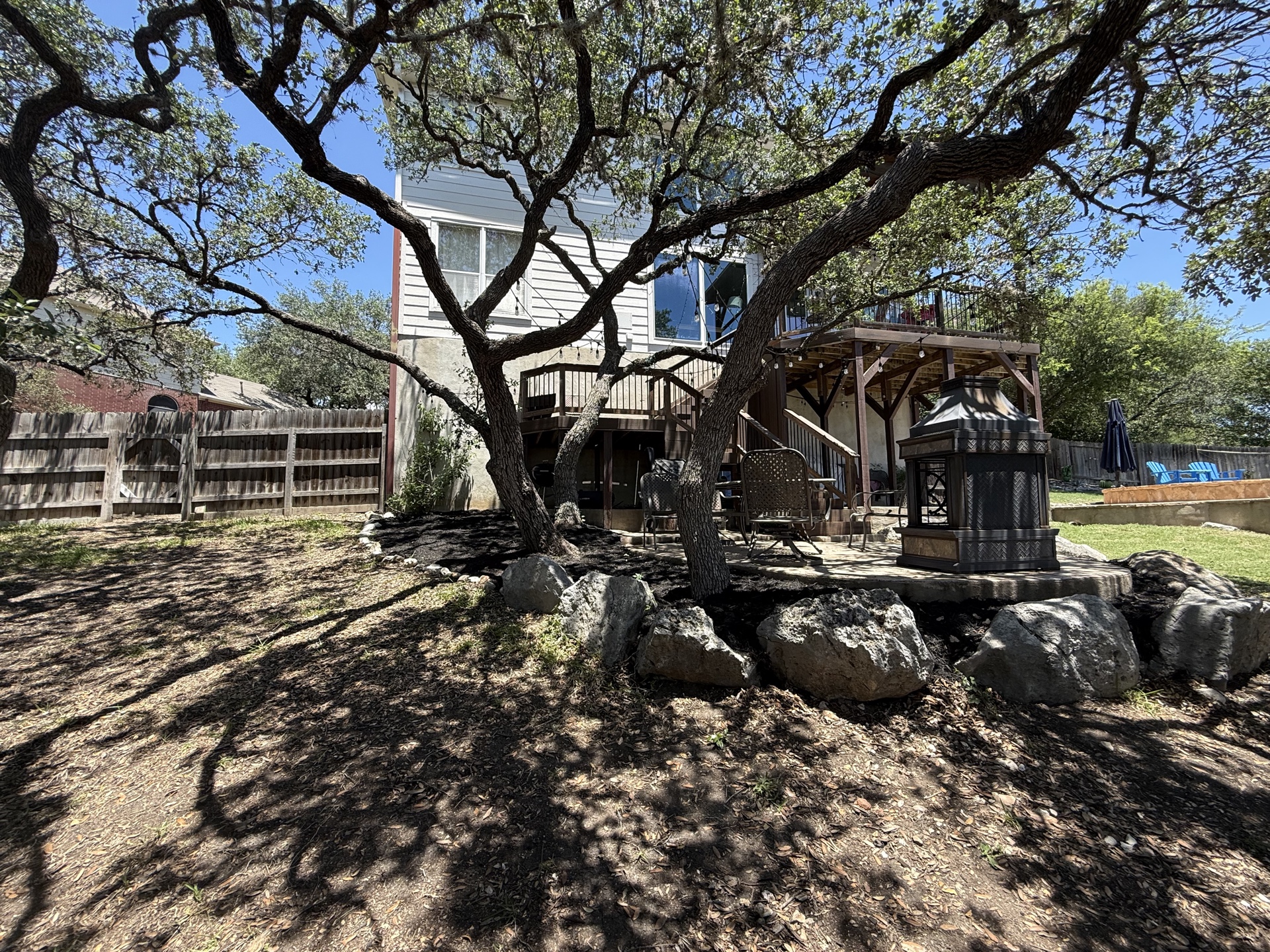
Understanding San Antonio Backyard Drainage Challenges
San Antonio weather is notoriously unpredictable. When torrential downpours hit South Texas, hard-baked Hill Country clay and dense subsurface caliche layers often prevent rainwater from absorbing naturally. Instead of soaking into the soil, water pools across lawns, drowns root systems, and threatens foundation slabs. Homeowners facing persistent standing water or erosion frequently weigh two popular remedies: subsurface French drains and surface-level dry creek beds.
Choosing between these two options depends entirely on where water accumulates, how fast it needs to move, and how the drainage feature fits into your overall landscape design. Understanding how each system operates helps you determine the right path forward for your property.
How French Drains Work Beneath the Surface
A French drain is an engineered subsurface drainage system designed to intercept and redirect underground water before it causes damage. The installation process typically involves digging a sloped trench, lining it with geotextile filter fabric, laying a perforated pipe surrounded by washed gravel, and wrapping the fabric over the top.
Because French drains operate underground, they are exceptionally effective at managing subsurface saturation, high water tables, and water pooling near foundation walls. Water seeps down through the gravel and fabric, enters the perforations in the pipe, and flows safely away by gravity to a discharge point like a street curb, swale, or pop-up emitter.
For properties dealing with persistent moisture trapped beneath the turf or heavy runoff pressing against foundations, a French drain provides an invisible, high-capacity solution that keeps the surface clear for everyday yard use.
When to Choose a Dry Creek Bed
In contrast, a dry creek bed is an aesthetically pleasing surface solution designed to mimic a natural mountain stream. It uses a shallow, contour-graded swale lined with non-woven landscape fabric and filled with a graded mix of river rocks, boulders, and decorative gravel.
Rather than hiding the water management system underground, a dry creek bed acts as a decorative landscape feature that catches, slows, and guides surface runoff across your yard during heavy rains. It works best for managing sheet flow from roof gutters, sloping lawns, or neighbor runoffs where water flows visibly across the ground.
Beyond its functional role, a dry creek bed adds natural texture, breaks up flat turf areas, and complements native South Texas plants that thrive in rocky, well-drained conditions. It transforms an awkward drainage headache into a striking natural focal point.
Comparing Capacity, Maintenance, and Aesthetics
When deciding between a French drain and a dry creek bed, homeowners should evaluate several key factors:
In many San Antonio landscapes, the two systems are not mutually exclusive. A dry creek bed can collect surface water from a roof downspout and feed it directly into a hidden French drain inlet, combining surface aesthetics with subsurface protection.
When to Call Professional Landscaping Help
While DIY drainage projects are common, complex grading issues, utility lines, and heavy clay soils often require professional equipment and expertise. If standing water threatens your home's foundation or if you are unsure how to grade your yard properly, hiring an experienced local team ensures the system is pitched accurately and drains effectively.
Please note that while drainage work and surface grading protect your yard, complex irrigation installations or alterations are subject to strict municipal rules. Homeowners should always check current guidelines with the San Antonio Water System (SAWS) and ensure any irrigation modifications are handled by licensed professionals, as regulations and watering restrictions are subject to change.
Frequently Asked Questions
Will a French drain completely eliminate standing water in my yard?
A properly designed French drain effectively removes subsurface water and pooling in targeted areas. However, if your yard suffers from severe overall low spots or improper grading, supplemental surface regrading or a dry creek bed may also be necessary.
Do dry creek beds attract mosquitoes in South Texas?
No, because dry creek beds are designed to drain water quickly rather than pool it. Water flows through the gravel matrix and exits rather than standing stagnant, preventing mosquito breeding.
Can I install a drainage system myself?
Minor surface swales can be manageable as DIY projects, but subsurface French drains require precise trench sloping, proper gravel selection, and correct discharge routing to prevent flooding neighboring properties.
Protect Your Yard Today
Standing water and erosion do not have to disrupt your outdoor space. Whether your property benefits from the subsurface capacity of a French drain or the surface beauty of a dry creek bed, professional guidance makes all the difference. Explore our professional yard cleanup and drainage solutions to restore your outdoor living environment.
Related Services
See Real Project Results
Explore documented before-and-after work from Recover Landscape projects in the San Antonio area.
Ready to Get Started?
Recover Landscape serves San Antonio and surrounding areas. Call or text Peyton directly for a free estimate.
Call 817-484-8835