How to Fix Lawn Scalping After Mowing in San Antonio
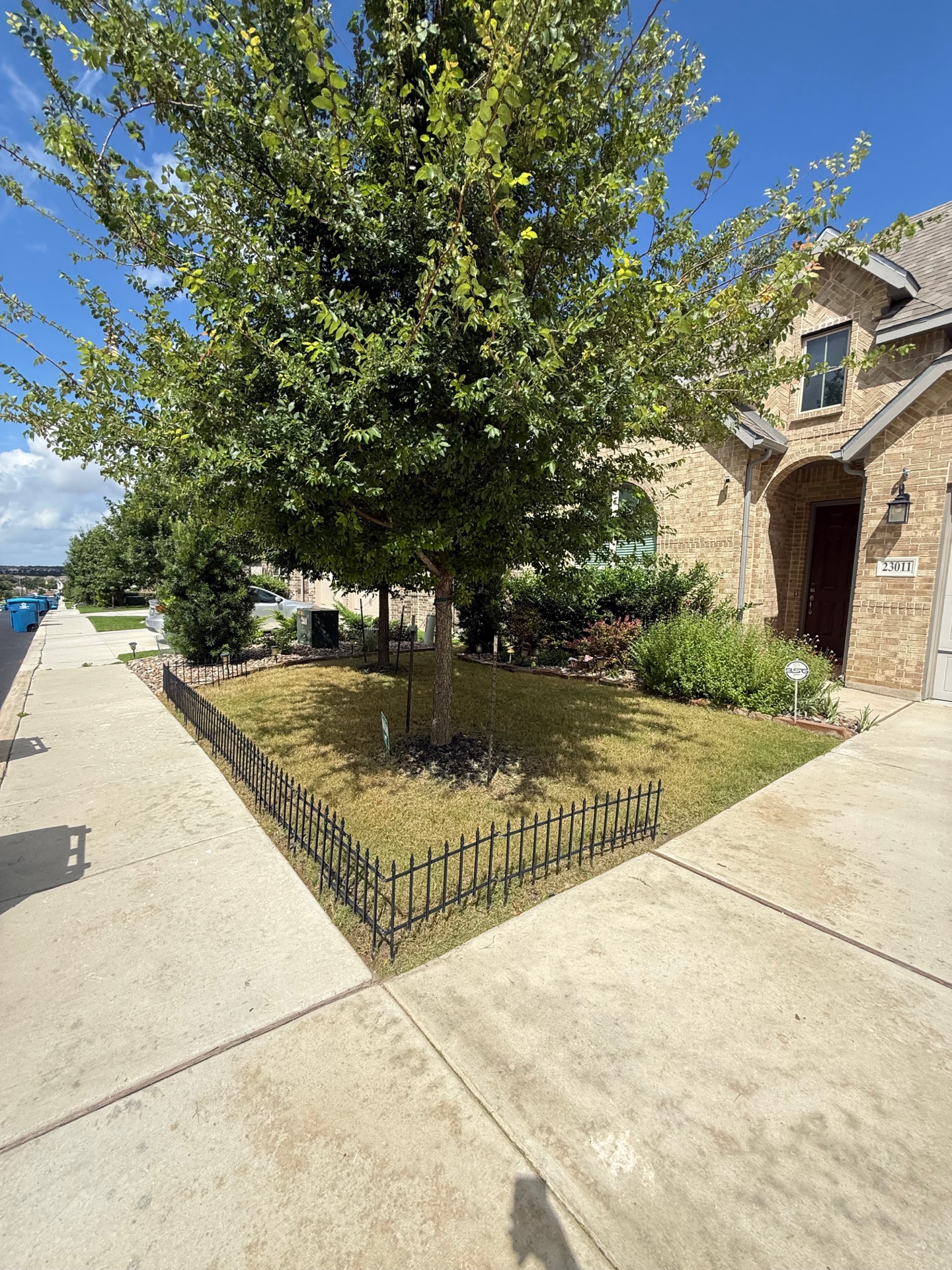
Lawn scalping occurs when a mower blade cuts too low, slicing past the green leaf blades into the yellowish-brown stems, stolons, or bare soil beneath. In San Antonio, where uneven terrain, rocky caliche sublayers, and aggressive summer heat put turf under constant stress, scalping is a common mowing mishap. Whether caused by a bumpy yard, setting the mower deck too low after a period of rapid spring growth, or turning too sharply on a slope, scalped grass looks scorched and unsightly. Fortunately, with proper watering, correct mowing adjustments, and time, most warm-season turfgrasses like St. Augustine and Bermuda can recover.
Understanding the Impact of Scalping on San Antonio Lawns
When a lawn is scalped, the plant loses its primary photosynthetic machinery—the green blades responsible for producing food. In South Texas, where lawns endure intense sunlight and soaring temperatures, exposing the underlying stolons and roots to direct solar radiation can cause heat scorch or localized dieback. Furthermore, scalped spots create vulnerable openings where opportunistic weeds can take root.
The severity of the recovery depends largely on the grass variety and the extent of the damage. Bermuda grass has an aggressive growth habit and spreads via rhizomes and stolons, allowing it to bounce back quickly from a close shave. St. Augustine grass, while resilient, recovers more slowly because its thick, succulent runners require intact nodes to generate new growth. Understanding your specific turf type helps set realistic expectations for how quickly the lawn will green back up.
Immediate Steps to Repair Scalped Turf
Recovering from a scalping incident requires a gentle, patient approach. Avoid the temptation to immediately apply heavy chemical fertilizers or high rates of nitrogen, as forced rapid growth under heat stress can deplete the plant's carbohydrate reserves and worsen the damage.
Instead, follow a steady recovery protocol focusing on hydration, protection, and patience:
Adjusting Mowing Practices to Prevent Future Scalping
Preventing future scalping starts with proper mower setup and lawn maintenance habits. Many San Antonio yards feature undulating terrain, subtle slopes, and shallow caliche pockets that make uneven cuts easy if the mower deck is not configured correctly.
To prevent future scalping incidents, implement these adjustments:
| Maintenance Practice | Recommended Adjustment | Purpose |
|---|---|---|
| Mowing Height | Raise deck by 0.5 to 1 inch | Leaves more leaf blade for photosynthesis and buffers against heat |
| Terrain Navigation | Slow down on slopes and bumps | Prevents deck dipping and gouging on uneven ground |
| Mowing Frequency | Never remove more than one-third of the blade | Reduces shock to the turfgrass during active growth periods |
| Blade Maintenance | Sharpen mower blades regularly | Prevents tearing and shredding of delicate grass tips |
When to Seek Professional Lawn Care Assistance
While minor scalping typically resolves on its own within two to three weeks as new leaves emerge, severe scalping across large portions of a property can stall turf recovery and invite weed infestations. If your lawn has suffered extensive damage from improper mowing equipment, severe slope gouges, or if underlying soil compaction is preventing healthy regrowth, professional intervention can help restore turf health.
At Recover Landscape, our experienced team provides professional lawn care services designed to nurture your turf back to health through proper agronomic practices, seasonal mowing guidance, and targeted maintenance. We do not perform licensed irrigation work, and for any major system installations or backflow repairs, we advise property owners to consult licensed professionals and verify current local regulations. If your property needs expert attention to recover from mowing stress, explore our [Lawn Care Services](/services/lawn-care) to see how we can assist you.
Frequently Asked Questions
How long does it take for scalped grass to recover?
Most healthy lawns recover from minor scalping within two to three weeks during the active growing season. Bermuda grass typically rebounds faster than St. Augustine due to its aggressive spreading habit.
Should I fertilize a scalped lawn immediately?
No. Applying high-nitrogen fertilizer to heat-stressed or scalped turf can force rapid growth that depletes the plant's energy reserves and causes further decline. It is best to let the grass recover naturally through proper watering and gentle care.
Why does my mower keep scalping my lawn in certain spots?
Mower scalping on uneven terrain is usually caused by a mower deck set too low for bumpy ground, sharp turns on slopes, or wheels dropping into depressions. Raising your cutting height and slowing down over rough patches will resolve this issue.
Related Services
See Real Project Results
Explore documented before-and-after work from Recover Landscape projects in the San Antonio area.
Ready to Get Started?
Recover Landscape serves San Antonio and surrounding areas. Call or text Peyton directly for a free estimate.
Call 817-484-8835