How to Build a Low-Maintenance Landscape Bed in San Antonio
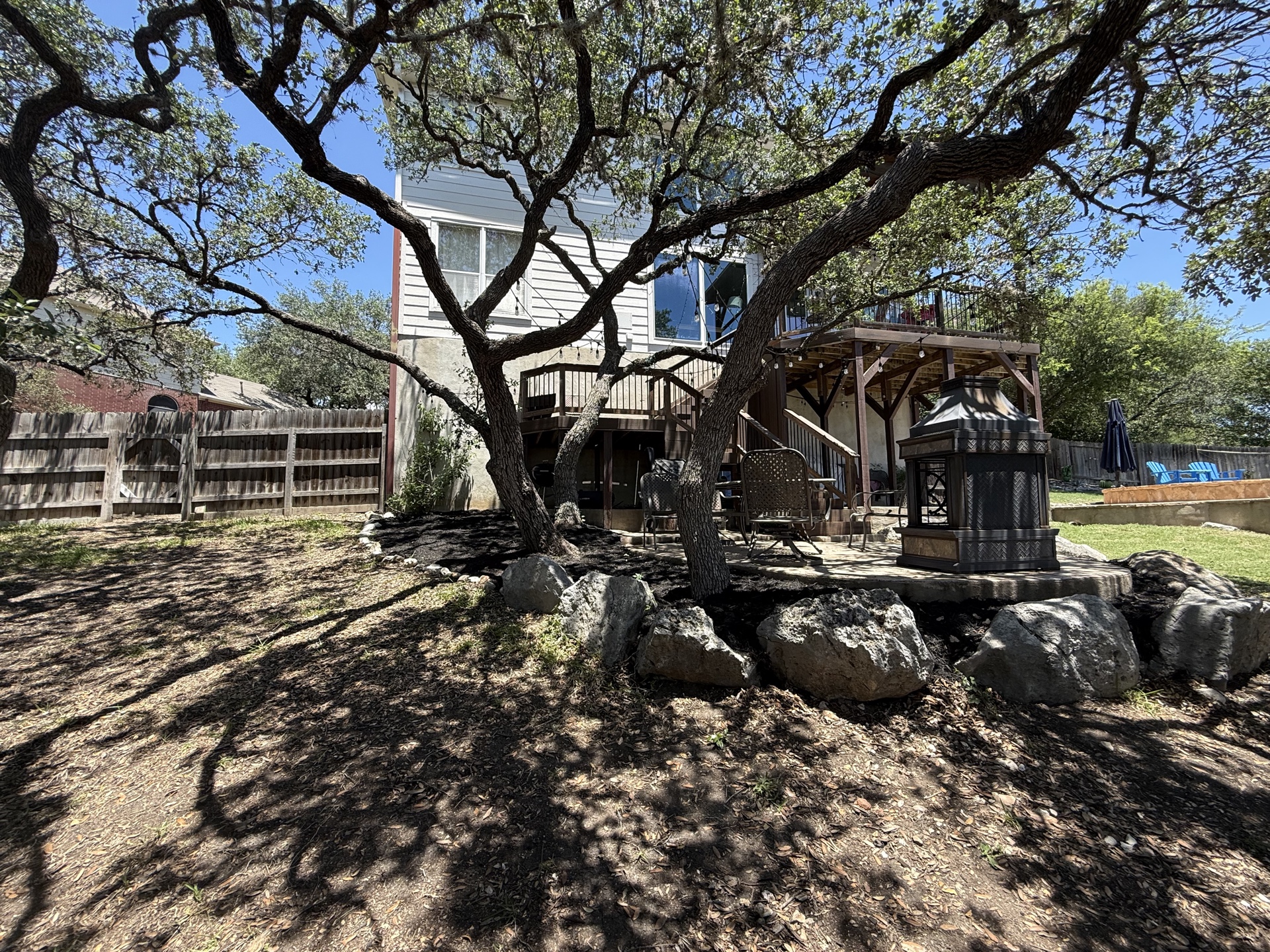
Building a landscape bed that requires minimal upkeep in San Antonio starts with understanding the unique environmental challenges of South Texas. Between intense summer heat, alkaline caliche soil, and heavy oak shade in many established neighborhoods, garden beds can quickly become high-maintenance chores if they are not planned correctly from the beginning. Creating an easy-maintenance landscape bed is not about avoiding living plants altogether; rather, it is about selecting the right resilient materials, improving your soil intelligently, and designing a cohesive layout that suppresses weeds and retains essential moisture naturally throughout the changing seasons.
Understanding San Antonio Soil and Site Conditions
Before you pick up a shovel or buy a single plant, evaluating your specific yard conditions is essential. Much of the San Antonio area features heavy clay or shallow caliche subsoil, which drains poorly in some spots and bakes into a concrete-like crust in others. Furthermore, mature live oaks create dense shade and drop heavy blankets of leaves year-round. Designing a low-maintenance bed means working with these natural regional limitations instead of fighting them. Amending your planting beds with quality organic compost helps break up heavy clay and improves moisture retention without requiring constant chemical intervention or soil adjustments.
Selecting Tough Native and Adapted Plants
The foundation of any low-maintenance landscape bed is thoughtful plant selection. Choosing plants native or well-adapted to Central Texas ensures they can withstand scorching summer temperatures and periodic dry spells once established. Look for resilient shrubs, perennials, and ornamental grasses that require minimal pruning and thrive in local conditions. Planting in natural groups rather than scattering single specimens also creates a dense canopy that shades the soil, naturally crowding out opportunistic weeds. When arranging your bed, place taller plants toward the back or center and lower-growing species along the front to maintain clean visual lines with minimal trimming.
Controlling Weeds with Proper Edging and Heavy Mulch
Weed control is often the most time-consuming part of regular garden upkeep. You can drastically cut down on weeding hours by installing clean, deep physical edges around your landscape beds to prevent surrounding turf grass from creeping in. Following edge installation, applying a generous layer of organic mulch is critical. A thick blanket of shredded hardwood or native mulch acts as a protective barrier that suppresses weed germination, insulates roots against extreme summer heat, and slowly enriches the soil as it decomposes. For best results, keep mulch a couple of inches away from plant stems to prevent rot.
Efficient Watering and Irrigation Considerations
Even drought-tolerant plants need adequate water during their first growing season to establish strong root systems. When planning your landscape bed layout, group plants with similar water requirements together so you can water efficiently without over-saturating neighbors. If you are integrating an irrigation system or adjusting existing lines, always check current San Antonio Water System (SAWS) guidelines and consult a licensed professional for installation and repairs, as municipal watering restrictions and plumbing regulations frequently change. Efficient drip irrigation or hand-watering targeted directly at the root zone keeps foliage dry and minimizes fungal diseases common in humid or shaded microclimates.
When your schedule leaves little room for weekend weeding, heavy pruning, and constant upkeep, partnering with an experienced local team can make all your outdoor spaces effortless to enjoy. For professional support with ground preparation and material placement, explore our [Mulch Installation](/services/mulch-installation) services to protect your plants and give your beds a polished, finished look.
Frequently Asked Questions
What are the best plants for a low-maintenance San Antonio landscape bed?
Drought-tolerant native and adapted plants such as Gregg's sage, turk's cap, coneflower, and dwarf Yaupon holly thrive in South Texas heat and require very little pruning or supplemental water once established.
How thick should mulch be in a Texas landscape bed?
Applying a three-inch layer of organic mulch is ideal. This depth is heavy enough to block sunlight and prevent weed seeds from sprouting while still allowing air and moisture to reach the soil beneath.
How often do I need to water a newly planted landscape bed?
Newly installed plants generally require deep, regular watering two to three times a week for the first few weeks, tapering off as root systems establish. Always review current SAWS watering restrictions before setting automated timers.
Related Services
See Real Project Results
Explore documented before-and-after work from Recover Landscape projects in the San Antonio area.
Ready to Get Started?
Recover Landscape serves San Antonio and surrounding areas. Call or text Peyton directly for a free estimate.
Call 817-484-8835