Does Rock Landscaping Make a San Antonio Yard Hotter?
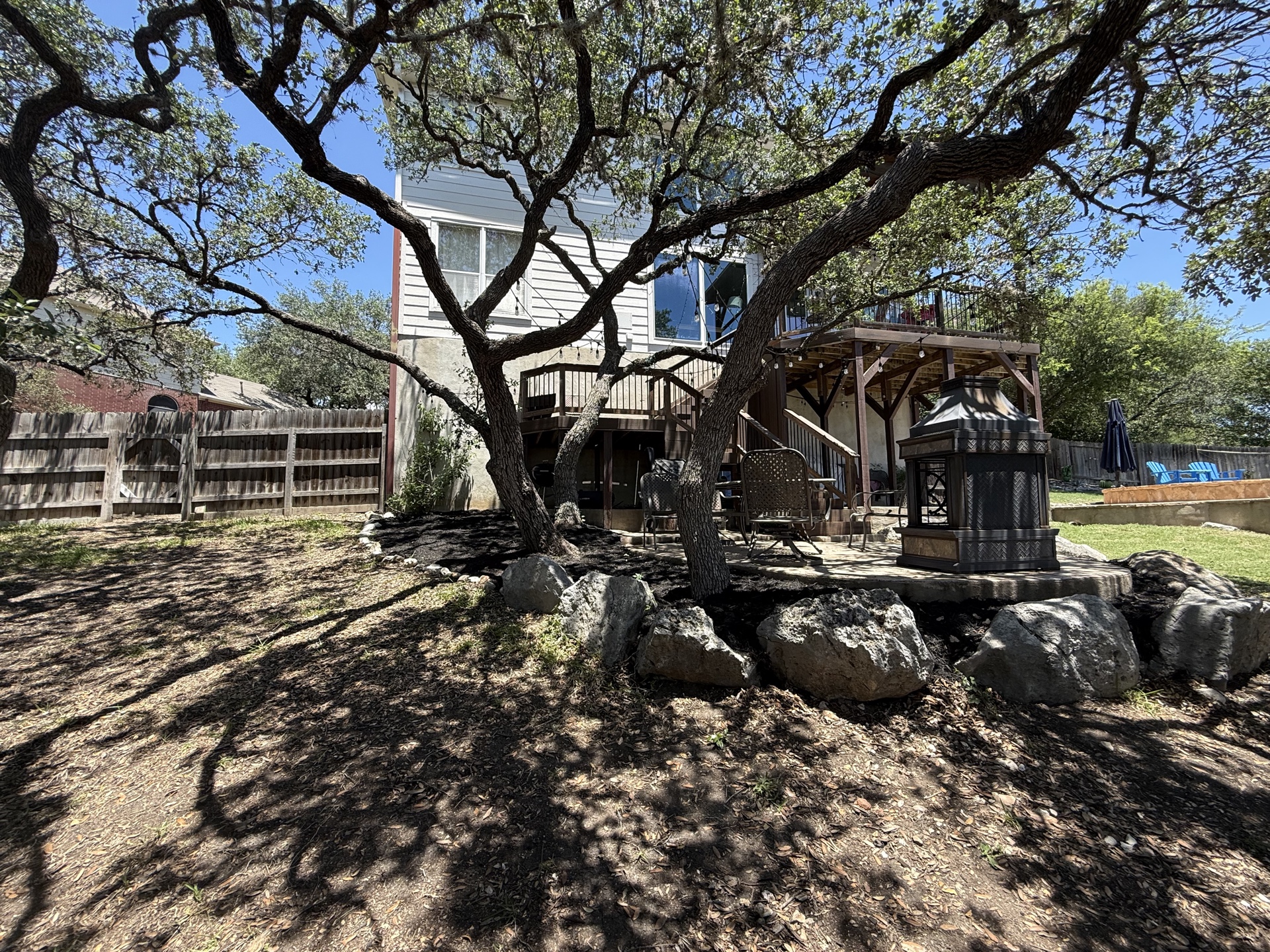
When homeowners across San Antonio plan xeriscaping or low-maintenance yard updates, river rock, decomposed granite, and limestone gravel often top the list. While stone features offer exceptional durability and a clean aesthetic against native caliche soil, a common question arises: does rock landscaping actually make a San Antonio yard noticeably hotter during punishing summer months? Understanding the thermal properties of stone, how it interacts with South Texas sunlight, and how to balance hardscapes with organic materials can help you create an outdoor space that stays comfortable and functional.
The Thermal Dynamics of Rock in South Texas Sun
Stone and rock materials have high thermal mass, meaning they absorb solar radiation throughout the day and slowly release that heat into the surrounding air. During prolonged heatwaves in San Antonio, exposed dark gravel or river rock can reach significantly higher surface temperatures than ambient air. As the sun beats down on decorative stone beds, that absorbed heat radiates upward, creating a localized microclimate that can make patios, walkways, and adjacent planting beds feel intensely warm.
However, the degree to which rock heats up a yard depends heavily on stone color, bed depth, and placement. Lighter-colored limestone gravel and tan flagstone reflect more sunlight than dark basalt or dense river stones, reducing total heat absorption. Furthermore, isolated decorative bands or dry creek beds have a minimal impact on overall yard temperatures compared to expansive, unshaded sheets of solid rock covering an entire property.
Comparing Rock and Organic Mulch Thermal Performance
To understand how rock influences yard comfort, it helps to compare it directly with traditional organic groundcovers like hardwood mulch. While rock absorbs and radiates heat aggressively, organic mulch acts as an insulating blanket. Mulch shades the soil, keeps root zones cooler, and retains vital soil moisture during dry summer spells.
| Groundcover Type | Heat Absorption & Radiation | Moisture Retention | Soil Temperature Regulation | Best San Antonio Application |
|---|---|---|---|---|
| Decorative Rock & Gravel | High; retains and radiates solar heat into surrounding air. | Low; allows rapid water drainage but does not prevent evaporation. | Low; permits soil to heat up under direct sun exposure. | Pathways, drainage areas, low-traffic borders, and modern xeriscapes. |
| Organic Mulch | Low to Moderate; reflects sunlight and insulates the ground surface. | High; significantly reduces soil evaporation and locks in moisture. | High; keeps root zones cool during extreme summer heatwaves. | Flower beds, tree rings, shrub borders, and nutrient-depleted soil zones. |
Smart Design Strategies to Prevent Heat Trapping
Homeowners do not need to abandon stone landscaping entirely to keep their yards comfortable. Strategic design choices can effectively mitigate heat buildup while maintaining a clean, professional appearance. Incorporating shade trees, such as native live oaks, over rock beds helps intercept direct sunlight before it strikes the stone surface.
Another effective approach is layering landscape fabric and positioning stone beds away from primary seating areas, bedroom windows, or narrow side yards where trapped heat can linger. Combining rock with native, drought-tolerant perennials and ornamental grasses breaks up large expanses of stone, introducing natural transpiration that cools the immediate environment.
Frequently Asked Questions
Does rock landscaping kill nearby plants due to heat?
Intense radiated heat from rock beds can stress delicate plants, especially when placed directly against tender stems or young root systems. Pairing rock with drought-hardy native plants and maintaining a slight buffer around sensitive foliage prevents heat scorch.
How does rock affect water drainage in San Antonio caliche soil?
Rock and gravel allow rainwater to infiltrate quickly, but they do not improve heavy clay or caliche soil structure on their own. Proper grading beneath stone installations prevents standing water during sudden South Texas downpours.
Are watering restrictions affected by rock versus mulch choices?
Watering restrictions established by the San Antonio Water System (SAWS) apply to irrigation methods and schedules rather than groundcover choices. Always review current SAWS guidelines and local regulations before modifying landscape irrigation systems.
Professional Guidance and Water Conservation
Balancing stone hardscapes with moisture-retaining organic materials requires thoughtful planning tailored to San Antonio's unique climate. When managing complex bed renovations or preparing planting zones for seasonal changes, professional assistance ensures proper material depth and weed control. For homeowners looking to improve moisture retention and soil health around existing landscape beds, professional [Mulch Installation](/services/mulch-installation) services provide an effective, cooling counterpoint to decorative stone features.
Related Services
See Real Project Results
Explore documented before-and-after work from Recover Landscape projects in the San Antonio area.
Ready to Get Started?
Recover Landscape serves San Antonio and surrounding areas. Call or text Peyton directly for a free estimate.
Call 817-484-8835