Decomposed Granite vs. Gravel: Which Is Better for a San Antonio Yard?
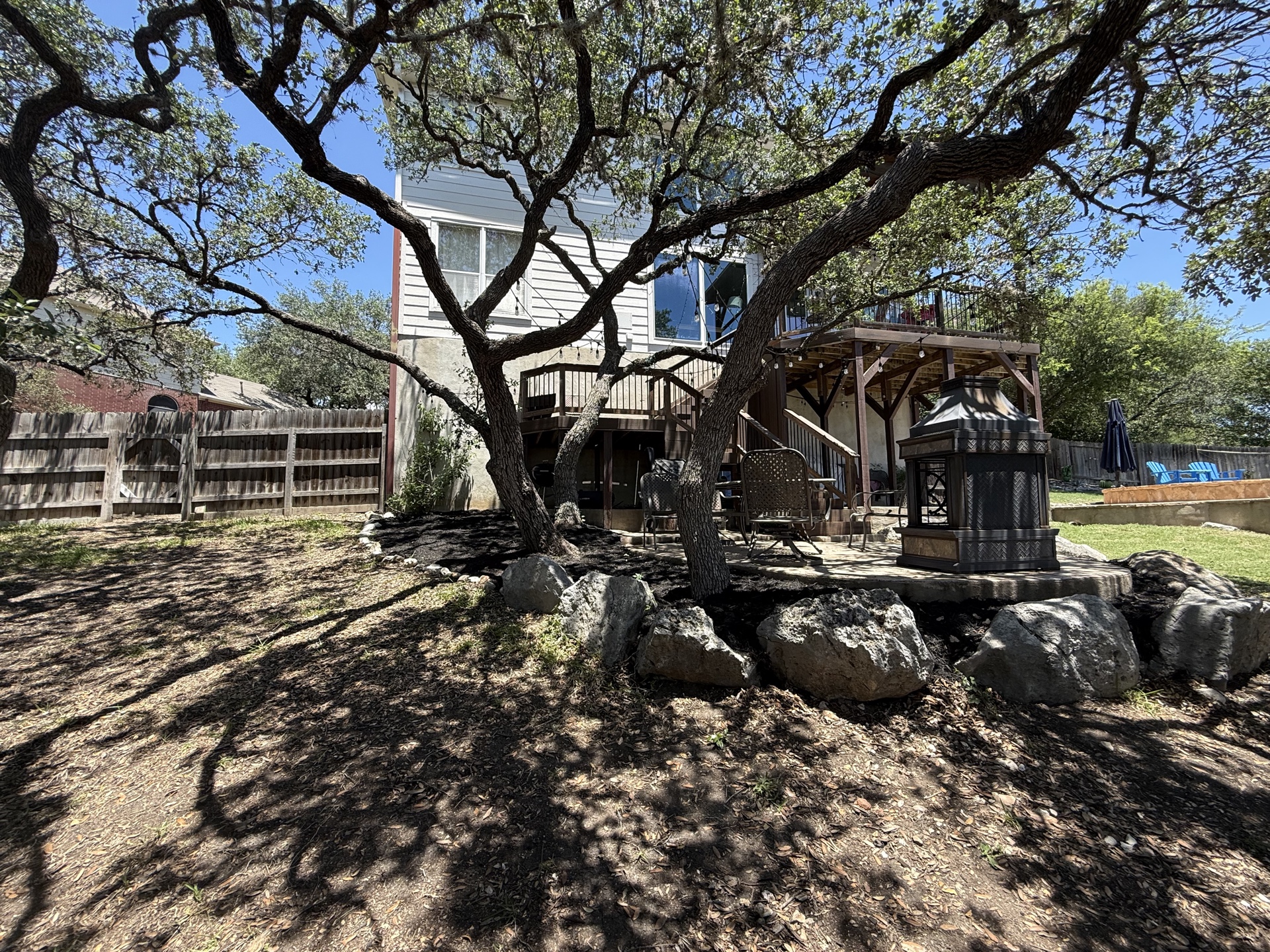
When designing or refreshing an outdoor space in San Antonio, choosing the right aggregate ground cover is a foundational decision. Homeowners frequently weigh decomposed granite against traditional gravel. Both materials offer distinct aesthetic and functional advantages, but they perform very differently under South Texas conditions, including intense summer heat, alkaline caliche soil, and sudden heavy downpours. Understanding how each material behaves in our local climate ensures your landscape remains durable, beautiful, and low-maintenance year-round.
Understanding Decomposed Granite in South Texas Climates
Decomposed granite, commonly referred to as DG, consists of weathered, finely fragmented granite rock. When compacted properly, DG packs down into a firm, stable surface that resembles a natural rustic pathway or patio. Its warm, earthy tones blend seamlessly with the natural limestone and native flora characteristic of the Texas Hill Country.
In San Antonio yards, decomposed granite excels in creating clean-lined walkways, seating areas, and modern xeriscaped garden beds. Because it packs tightly, it provides a smoother walking surface than loose gravel, making it comfortable for foot traffic and patio furniture. However, San Antonio's intense rainstorms can pose a challenge. Without proper slope grading and sturdy metal or stone edging, heavy downpours can wash loose surface fines away or erode compacted paths. Adding a stabilizing agent or a solid sub-base during installation helps mitigate erosion during severe weather events.
Evaluating Gravel and Crushed Stone Options
Gravel encompasses a wide range of loose rock options, including smooth pea gravel, river rock, and angular crushed stone. Unlike decomposed granite, gravel remains loose and uncompacted. This loose structure offers exceptional drainage, allowing rainwater to infiltrate the soil freely rather than pooling on the surface.
For properties dealing with dense, clay-heavy caliche soils, gravel beds provide an effective way to improve surface drainage around plant root zones and building foundations. Gravel is also exceptionally durable and virtually impervious to weather wear. It does not wash away as easily in sheet floods because water flows between the stones rather than moving the bulk material, provided appropriate barriers are maintained. On the downside, walking on deep gravel can feel unstable, and small stones can scatter into adjacent turf or flower beds during routine maintenance or heavy storms.
Key Comparisons: Drainage, Maintenance, and Durability
Comparing decomposed granite and gravel requires looking at how each material handles ongoing maintenance, weed control, and local environmental factors.
Decomposed granite forms a tighter barrier against weed seeds when freshly installed and compacted, but over time, organic debris from native live oaks and elms can accumulate on the surface, creating soil pockets where weeds take root. Regular sweeping, leaf blowing, and occasional top-dressing help maintain its pristine appearance.
Gravel requires less surface grooming but demands robust weed barrier fabric underneath. Because gravel has large gaps between stones, wind-blown dust and organic matter settle into the voids, eventually encouraging weed growth if preventative measures are neglected. In terms of longevity, both materials last for years, but gravel requires less frequent material replenishment compared to DG, which can slowly lose its fine surface layer through weathering.
Water Conservation and Environmental Considerations
San Antonio landscapes frequently prioritize water conservation and sustainable outdoor design. Both decomposed granite and gravel serve as excellent permeable alternatives to concrete or asphalt, reducing stormwater runoff and helping retain sub-surface moisture. By minimizing thirsty turf grass areas, homeowners align with regional water-saving initiatives. When planning water-wise landscape modifications or adjusting existing irrigation systems to accommodate new rock beds, homeowners should always check current San Antonio Water System (SAWS) guidelines and consult licensed professionals to ensure compliance with local watering restrictions and code requirements.
When to Call Professional Landscaping Assistance
While laying ground cover might appear straightforward, achieving a professional, long-lasting finish requires precise site preparation. Proper excavation, sub-grade compaction, geotextile fabric placement, and heavy-duty edging determine whether your rock beds shift and erode or stay crisp for years. Partnering with experienced professionals ensures correct grading and material selection tailored to your specific yard topography. Recover Landscape provides expert landscape preparation and material installation across San Antonio. Please note that while we design and prepare grounds for beautiful outdoor living, we do not perform licensed irrigation work; any alterations to sprinkler systems should be coordinated with certified irrigation professionals in accordance with local regulations.
Frequently Asked Questions
Does decomposed granite become muddy during San Antonio rainstorms?
Unstabilized decomposed granite can develop a thin muddy layer on the surface during heavy downpours if water pools. Proper site grading, adequate drainage slope, and professional compaction minimize mud formation and help the surface dry quickly.
Which material is better for pet areas in a South Texas yard?
Gravel, particularly smooth river rock or washed pea gravel, is often preferred for dedicated pet zones because it does not compact into dust and can be easily rinsed. Decomposed granite can track dust on paws when dry and soften excessively under persistent moisture.
How do I control weeds in gravel or decomposed granite beds?
Installing a commercial-grade non-woven geotextile fabric beneath the aggregate is essential. Additionally, applying a pre-emergent herbicide in early spring and regularly removing wind-blown organic debris prevents weed seeds from germinating on top of the stone.
Transform Your San Antonio Outdoor Space
Choosing between decomposed granite and gravel depends on your aesthetic preferences, intended use, and maintenance commitment. Whether you want a smooth, rustic patio or a high-drainage rock bed, expert installation makes all the difference. Explore our professional [Mulch Installation](/services/mulch-installation) services to complete your landscape refresh and protect your plant beds today.
Related Services
See Real Project Results
Explore documented before-and-after work from Recover Landscape projects in the San Antonio area.
Ready to Get Started?
Recover Landscape serves San Antonio and surrounding areas. Call or text Peyton directly for a free estimate.
Call 817-484-8835