Buffalo Grass in San Antonio: Where It Works and Where It Does Not
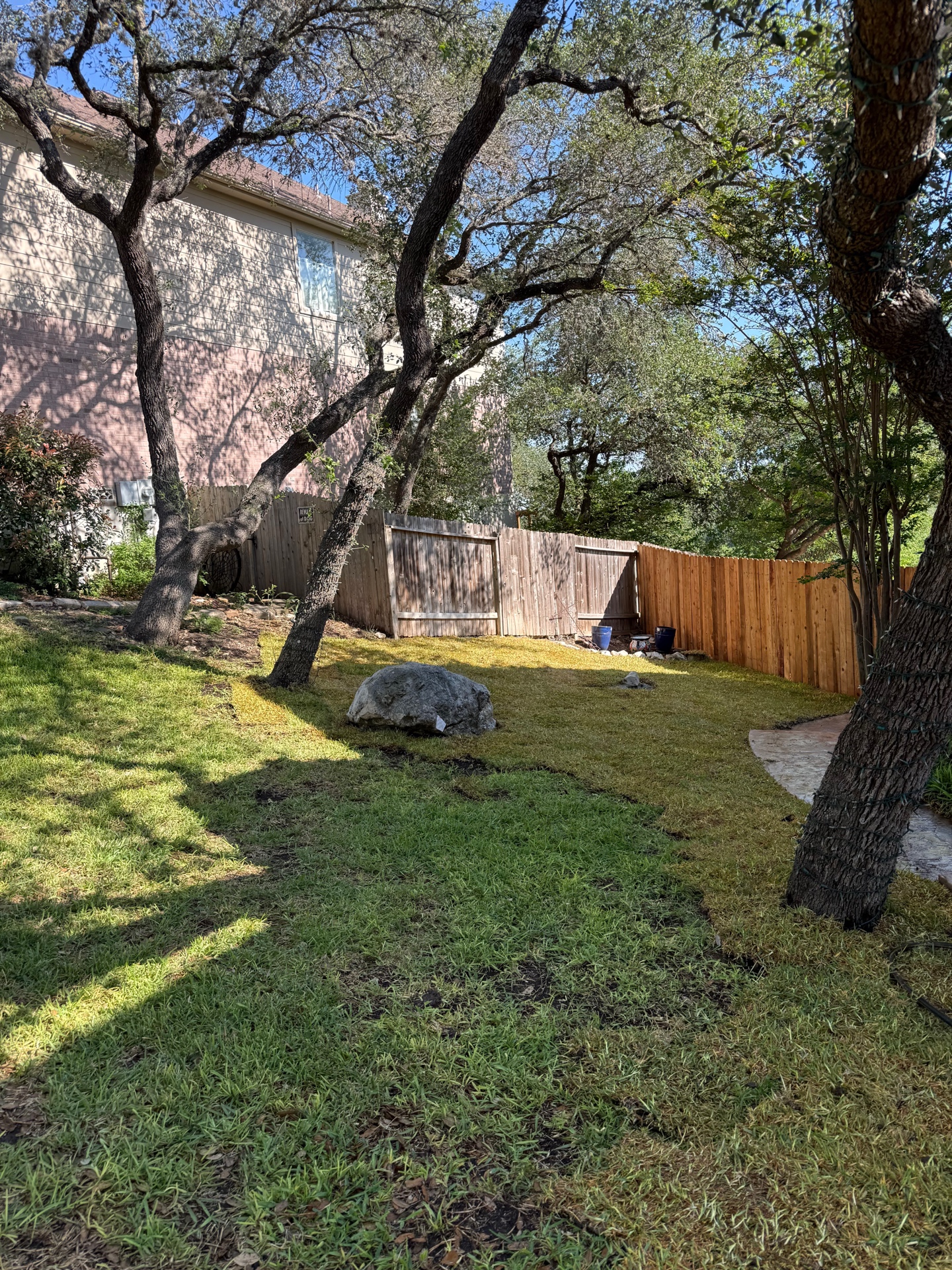
Buffalo grass (*Buchloe dactyloides*) is a native North American turfgrass celebrated for its exceptional drought tolerance, low maintenance requirements, and resilience across the harsh Texas climate. For homeowners in San Antonio and the surrounding South Texas region facing scorching summer temperatures and strict municipal water conservation mandates, buffalo grass often emerges as an appealing eco-friendly alternative to traditional St. Augustine or Bermuda lawns. However, despite its remarkable survival traits, buffalo grass is not a universal solution for every residential landscape. Understanding where this native grass thrives and where it inevitably fails is essential before investing time and resources into establishing a new lawn.
Where Buffalo Grass Thrives in San Antonio
Buffalo grass performs exceptionally well in open, unshaded environments that receive full, unfiltered sunlight throughout the day. Because it is native to the shortgrass prairies of the Great Plains, it possesses deep root systems capable of extracting moisture from soil layers that dry out quickly during prolonged Hill Country dry spells. When planted in well-draining soils with adequate sun exposure, buffalo grass establishes a resilient ground cover that requires significantly less irrigation than conventional turfgrass varieties.
Property owners looking to reduce municipal water consumption frequently turn to buffalo grass for large open yards, sunny backyards, and low-traffic areas. Its natural low growth habit also means it requires much less frequent mowing than faster-growing grasses like Bermuda or St. Augustine. When paired with proper site preparation, buffalo grass provides a sustainable, attractive turf that stays green through moderate summer heat without demanding constant supplemental watering.
Where Buffalo Grass Fails: Shade, Moisture, and Traffic
Despite its toughness, buffalo grass has strict environmental limitations that lead to failure if planted in the wrong microclimate. The most common pitfall for San Antonio homeowners is attempting to grow buffalo grass in shady areas. Mature live oak trees, dense canopies, and north-facing property lines create heavy shade that causes buffalo grass to thin out, weaken, and eventually die off completely. It has zero tolerance for deep shade and requires direct sunlight to maintain density.
| Environmental Factor | Buffalo Grass Suitability | Impact on Turf Health |
|---|---|---|
| Full Sun (6+ hours) | Excellent | Thrives, maintains density, resists weeds |
| Heavy Tree Shade | Poor | Thins rapidly, invites weeds, dies out |
| Poorly Draining Clay / Caliche | Moderate to Poor | Susceptible to root rot if water pools |
| High Foot Traffic | Low | Prone to bare spots and soil compaction |
Furthermore, buffalo grass performs poorly in heavily compacted clay soils or areas prone to standing water after heavy downpours. While it handles alkaline caliche subsoils reasonably well when properly graded, prolonged water saturation suffocates its root system. Additionally, buffalo grass does not withstand heavy foot traffic or recreational use as effectively as Bermuda or zoysia grass. Frequent heavy use results in compaction and permanent bare patches.
Irrigation, Establishment, and Professional Guidance
Establishing a successful buffalo grass lawn requires careful consideration of soil condition, seeding versus sodding, and local water availability. Because municipal watering regulations in San Antonio change frequently in response to Edwards Aquifer levels, property owners must check current San Antonio Water System (SAWS) guidelines before installing or irrigating new turf. While buffalo grass requires minimal water once mature, newly installed sod or seed requires consistent, regulated moisture during its initial establishment window.
When irrigation systems require adjustments or expansion to support new sod installation, property owners should consult qualified irrigation professionals. Note that Recover Landscape focuses exclusively on expert sod installation, ground preparation, and landscaping services; we do not perform licensed irrigation work or plumbing modifications. For specialized irrigation system design, backflow testing, or major mainline repairs, always hire a licensed irrigator compliant with Texas Commission on Environmental Quality (TCEQ) regulations.
Frequently Asked Questions
Is buffalo grass truly maintenance-free?
While buffalo grass requires significantly less water and fertilizer than St. Augustine, it is not completely maintenance-free. It still requires occasional mowing, weed management during establishment, and periodic monitoring for pest activity.
Can I overseed my existing St. Augustine lawn with buffalo grass?
No. Buffalo grass and St. Augustine have vastly different sun, water, and management requirements. Attempting to mix them will result in patchy turf as one species crowds out or starves the other.
How does buffalo grass handle San Antonio's extreme summer heat?
Buffalo grass handles extreme heat exceptionally well by going into a semi-dormant state during extreme drought, turning a grayish-green or straw color until adequate moisture returns, then greening back up quickly.
Transform Your Outdoor Space Today
Navigating native turf selection and proper site preparation can be challenging given San Antonio's unique caliche soils and microclimates. Whether you are replacing a failing shade lawn with drought-tolerant turf or starting fresh on a new property, professional installation makes all the difference. To explore your options and ensure your new turf is installed with precision, learn more about our professional [Sod Installation](/services/sod-installation) services.
Related Services
See Real Project Results
Explore documented before-and-after work from Recover Landscape projects in the San Antonio area.
Ready to Get Started?
Recover Landscape serves San Antonio and surrounding areas. Call or text Peyton directly for a free estimate.
Call 817-484-8835