What Grass Grows Best in Shade in San Antonio?
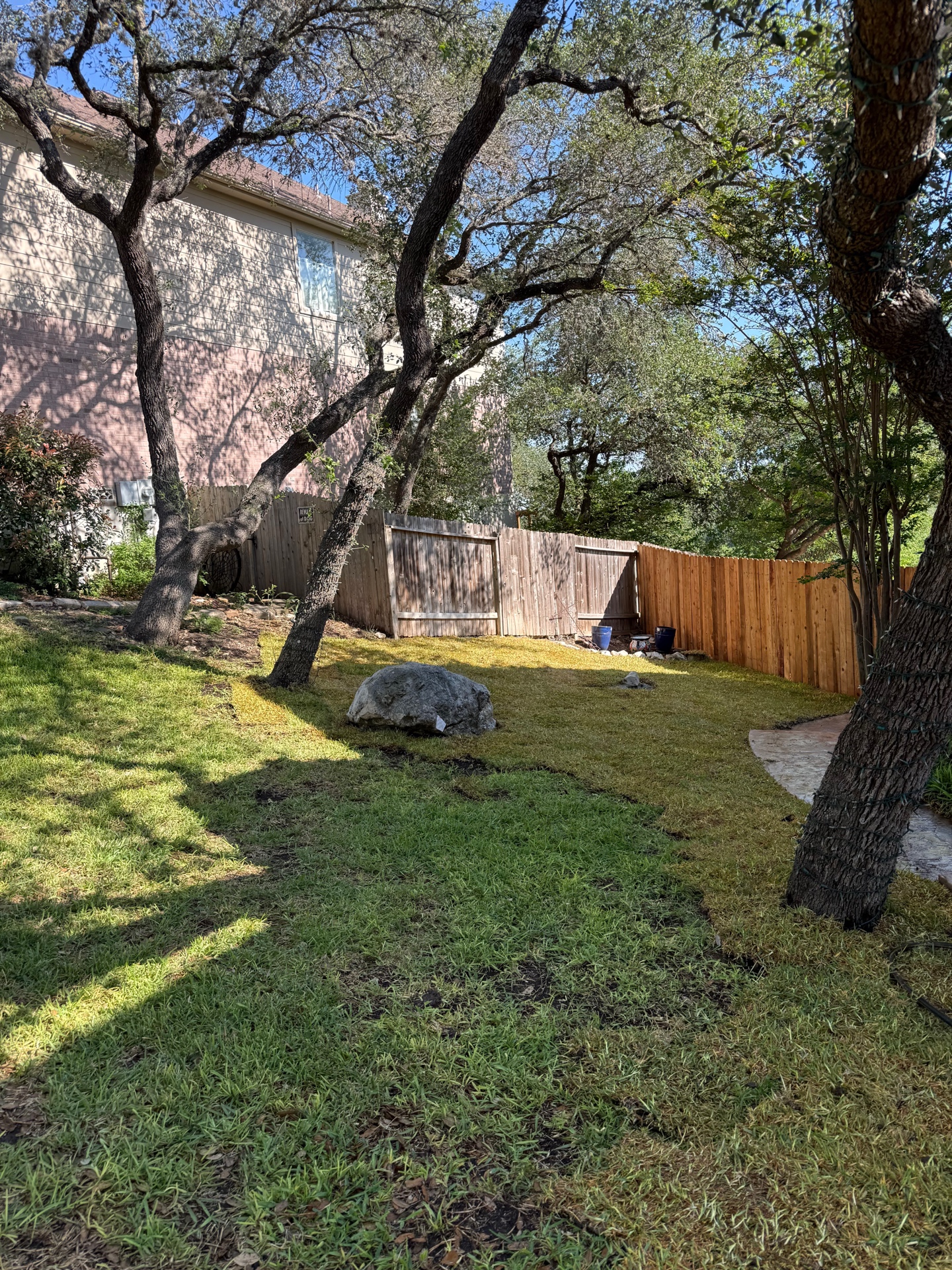
Maintaining a lush green lawn beneath the sprawling canopies of San Antonio live oaks and post oaks is one of the toughest challenges local homeowners face. While St. Augustine and Bermuda grass thrive in blazing South Texas sunlight, deep shade creates an entirely different growing environment. Between heavy tree roots competing for moisture, alkaline caliche soils, and intense summer heat waves, choosing the right turfgrass requires careful planning. If you are tired of patching bare dirt patches where sunlight never reaches, understanding your shade-tolerant options is the first step toward a resilient yard.
Understanding San Antonio Shade Challenges
San Antonio properties feature unique environmental pressures. Mature oak trees cast dense shadows for much of the day while dropping leaves, acorns, and tannins that alter soil chemistry. Furthermore, our regional caliche soil can be notoriously compact and alkaline, limiting root penetration and water retention. When shade is added to the mix, grass blades struggle to photosynthesize efficiently, resulting in thinning turf, weak root systems, and increased susceptibility to fungal diseases like take-all root rot or brown patch during humid transition seasons.
To succeed in shaded South Texas yards, you need grass varieties specifically adapted to low-light conditions without sacrificing drought tolerance and disease resistance.
Top Shade-Tolerant Turf Varieties for South Texas
When evaluating grass for shady San Antonio lawns, homeowners generally choose between two primary warm-season grasses, each with distinct advantages.
St. Augustine grass is widely considered the superior choice for deep shade in our region. Varieties like Raleigh and Seville exhibit remarkable shade tolerance compared to other warm-season grasses. Seville St. Augustine, in particular, performs exceptionally well in moderate to heavy shade, maintaining its fine-textured blade structure and deep green color under tree canopies. However, St. Augustine requires adequate moisture and proper watering habits, which means you must carefully monitor irrigation schedules while adhering to local San Antonio Water System (SAWS) restrictions. Always check current SAWS guidelines and seasonal watering rules before adjusting irrigation controllers.
Zoysia grass is another excellent option, offering superior shade tolerance compared to Bermuda grass while delivering a tighter, carpet-like finish. Varieties such as Zeon Zoysia handle filtered shade and dappled sunlight very well under oak trees. Zoysia forms a dense turf canopy that naturally resists weeds and handles foot traffic efficiently, though it requires more patience during establishment and professional maintenance to keep it thriving in heavy shade.
Practical Management Tips for Shaded Lawns
Growing grass under trees involves more than just laying down new sod. Proper cultural practices make the difference between long-term success and repeated failure. Raising your mowing height in shaded areas allows the grass blades to capture more sunlight and build stronger carbohydrate reserves. Additionally, minimizing traffic in vulnerable shaded zones prevents soil compaction, especially when soils are wet.
Water management in shade is delicate. Because shaded soil retains moisture longer than sun-baked turf, overwatering can quickly lead to root rot. When irrigation installation or adjustments are needed to accommodate micro-climates in your yard, remember to consult licensed professionals and verify current municipal codes, as regulations governing backflow preventers and smart controllers are subject to change.
When to Call Professionals for Help
If your shaded lawn continues to struggle despite proper mowing and watering, or if tree canopies have grown so dense that virtually no turf can survive, it may be time to consult experienced landscaping professionals. An expert evaluation can determine whether selective crown pruning to let in filtered sunlight is necessary, or if switching to shade-tolerant groundcovers, mulch beds, or flagstone pathways is a more sustainable solution than constantly replanting struggling sod. At Recover Landscape, we help San Antonio homeowners evaluate their yard's unique conditions and provide expert sod installation tailored to local soil and canopy challenges.
Frequently Asked Questions
What is the absolute best grass for deep shade in San Antonio?
St. Augustine grass, particularly varieties like Seville, generally performs best in heavy shade beneath San Antonio oak trees, provided it receives adequate filtered sunlight and proper moisture.
Can Bermuda grass grow in shade?
No. Bermuda grass has a very high light requirement and will quickly thin out and die in moderate to heavy shade. It is strictly recommended for full-sun areas.
How often should I water shaded grass in South Texas?
Shaded turf typically requires less frequent watering than turf in full sun because evaporation rates are lower under tree canopies. Always check current SAWS watering restrictions and soil moisture levels before irrigating.
When is sod installation recommended for shaded yards?
Sod installation can be successfully performed during cooler spring and fall months when root establishment is favored over the extreme heat of mid-summer.
Transforming a challenging, shaded yard into a healthy, attractive landscape requires local expertise and quality materials. Ready to upgrade your property? Explore our professional [Sod Installation](/services/sod-installation) services to get started with experienced local care.
Related Services
See Real Project Results
Explore documented before-and-after work from Recover Landscape projects in the San Antonio area.
Ready to Get Started?
Recover Landscape serves San Antonio and surrounding areas. Call or text Peyton directly for a free estimate.
Call 817-484-8835