Should I Bag Grass Clippings or Leave Them on My San Antonio Lawn?
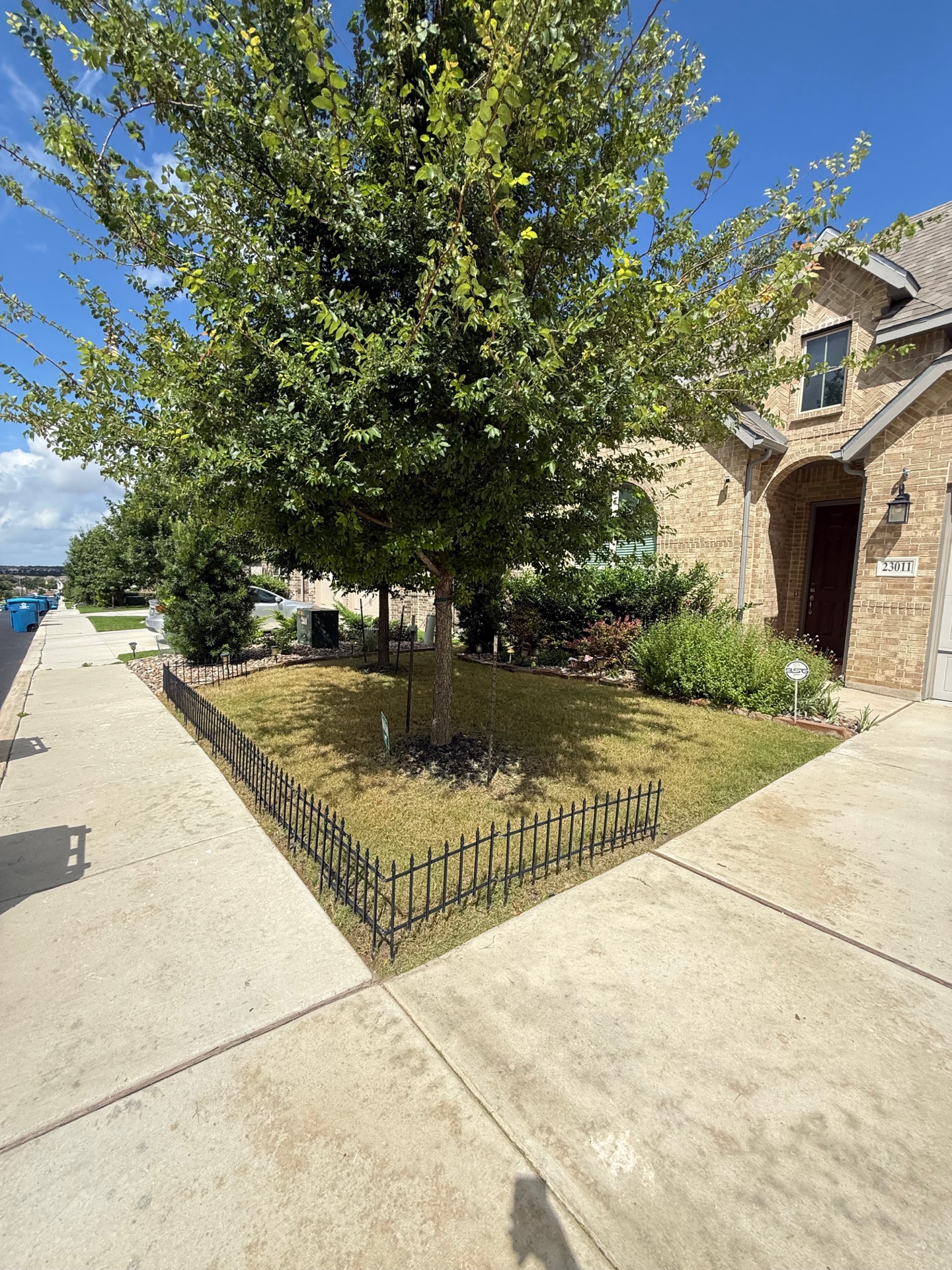
When maintaining a healthy, resilient lawn in San Antonio, property owners often debate a fundamental weekly chore: should you bag your grass clippings or leave them behind? For most residential yards across South Texas—whether you manage thick St. Augustine beneath mature oak trees or durable Bermuda enduring the Hill Country sun—leaving your clippings on the turf is generally the superior agronomic choice. Understanding how clipping management interacts with our local climate, unique soil conditions, and specific turf types can save you time while naturally improving your lawn.
Why Leaving Grass Clippings Benefits Your San Antonio Lawn
Leaving grass clippings on your lawn, often referred to as mulching mowing, provides a steady, natural source of slow-release nitrogen and other essential nutrients. As clippings decompose, they return valuable organic matter back to the soil. In our region, where shallow caliche soils and intense summer heat can stress root systems, this natural recycling process helps enrich the topsoil without requiring excessive synthetic fertilizers.
Furthermore, grass clippings are composed of roughly 80 to 85 percent water. When left on the turf, they quickly break down and return moisture to the soil surface. During hot San Antonio summers, every bit of moisture conservation matters. Mulching clippings does not cause thatch build-up, contrary to popular belief. Thatch is primarily composed of dead, lignified root and stem tissue rather than succulent leaf blades, which decompose rapidly in warm southern climates.
Mowing Best Practices for South Texas Turf
To make mulching work effectively, mowing frequency and blade sharpness are crucial. Mowing too infrequently forces your mower to chop off excessive amounts of leaf blade, resulting in unsightly clumps that smother the grass. Homeowners should adhere to the one-third rule, never removing more than one-third of the grass blade height in a single mow. Maintaining sharp mower blades is equally important; dull blades tear grass rather than cutting it cleanly, creating frayed brown tips that dry out faster under the blistering Texas sun.
Different grass species also influence your routine. St. Augustine grass, prized for its broad blades and shade tolerance in San Antonio neighborhoods, benefits greatly from the nitrogen returned by mulching. Meanwhile, Bermuda grass, known for aggressive growth and drought resistance, produces fine clippings that virtually disappear within hours of mowing, feeding the turf invisibly.
When Bagging Grass Clippings Makes Sense
While mulching is ideal for routine maintenance, there are specific situations where bagging becomes necessary. If your lawn has gone unmanaged for weeks due to rain or vacation and the grass has grown excessively tall, leaving heavy clumps behind can smother the living turf underneath and block vital sunlight. In these instances, bagging the first pass prevents turf damage and ensures an even, professional appearance.
You should also bag your clippings if your lawn is currently battling active fungal diseases, such as brown patch or take-all root rot, which are common during humid transition seasons in South Texas. Bagging prevents the spread of fungal spores across healthy areas of the yard. Additionally, if you have recently applied certain weed control products or if your grass has gone to seed and produced heavy seed heads, collecting the clippings can keep weed seeds from re-distributing across your property.
Professional Lawn Care and Seasonal Management
Balancing mowing height, clipping management, and seasonal fertilization requires consistent attention. If your lawn is struggling to recover from seasonal stress or if you need guidance on optimizing your overall maintenance routine, professional support can make a noticeable difference. Reach out to local experts for reliable assistance through our [Lawn Care Services](/services/lawn-care) to keep your property looking its best year-round. Note that when discussing irrigation installation, regulations, or watering restrictions, property owners should always check current SAWS and licensed-professional requirements, as local rules change frequently.
Frequently Asked Questions
Do grass clippings cause thatch in San Antonio lawns?
No, fresh grass clippings decompose rapidly in our warm climate and do not contribute to thatch build-up. Thatch is caused by dead roots and stems, not leaf blades.
Is it better to mulch or bag St. Augustine grass?
For most routine mows, mulching St. Augustine is recommended because it returns vital moisture and nitrogen to the soil, helping it withstand hot South Texas weather.
When should I definitely bag my lawn clippings?
You should bag your clippings if the grass is overgrown and forms heavy clumps, if your turf has active fungal disease, or if you are dealing with heavy weed seed heads.
Related Services
See Real Project Results
Explore documented before-and-after work from Recover Landscape projects in the San Antonio area.
Ready to Get Started?
Recover Landscape serves San Antonio and surrounding areas. Call or text Peyton directly for a free estimate.
Call 817-484-8835